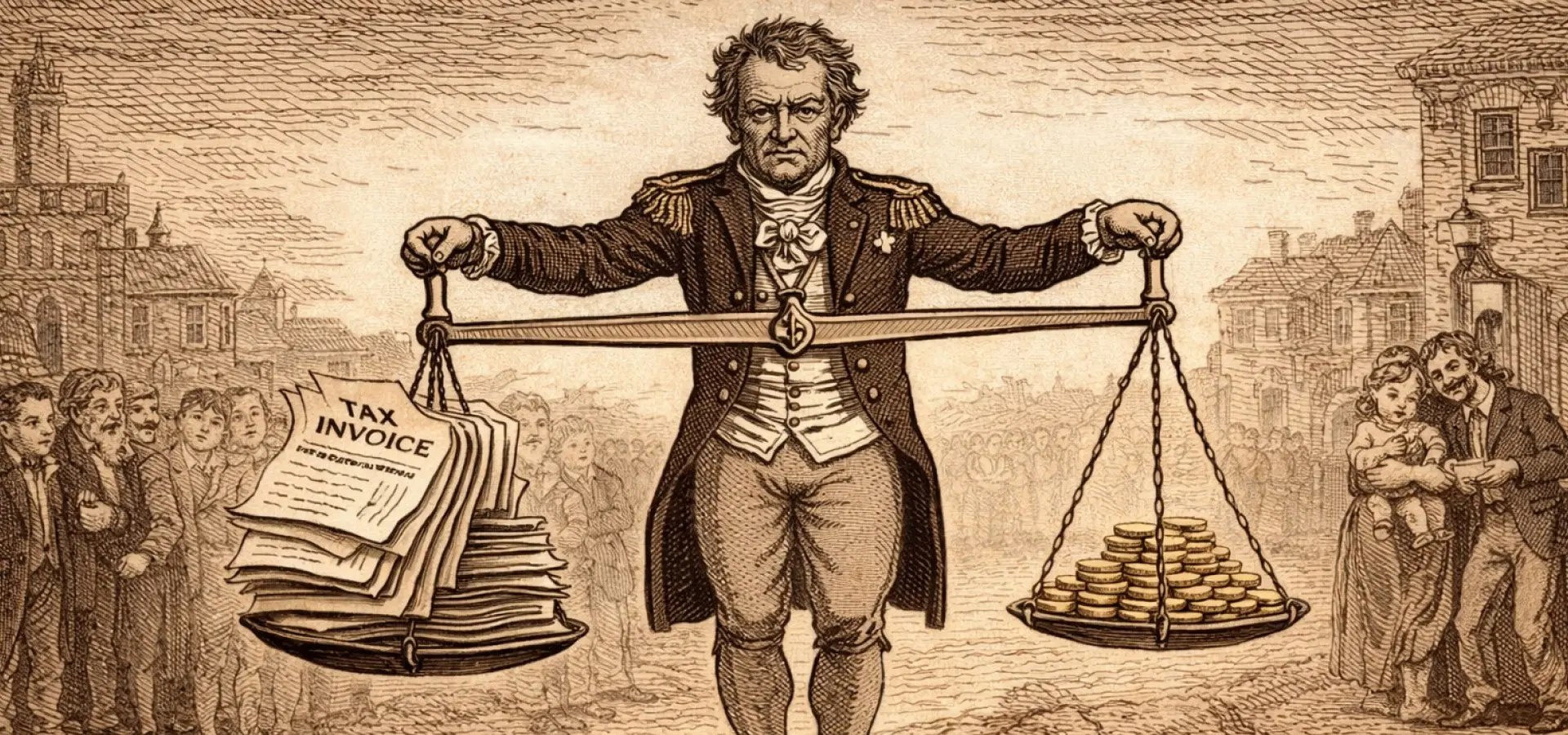

What must a construction payment estimate contain? (and why review it in 3D)

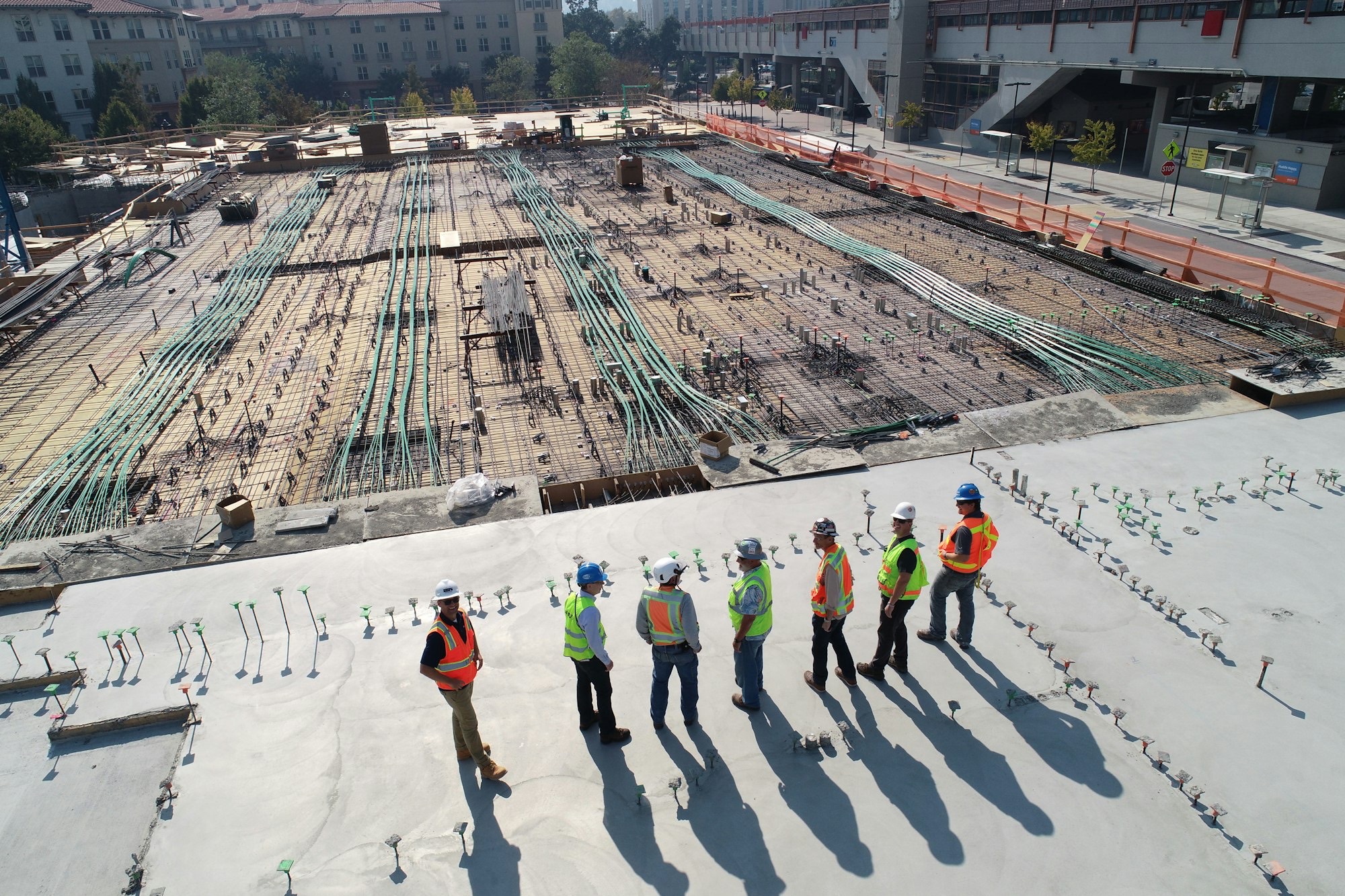
The payment estimate — valuación in Venezuela, estimación in Mexico, valorización in Peru, acta de avance in Colombia, estado de pago in Chile — is the document a contractor uses to bill work executed in a period. It is also the exact point where public money changes hands, and where weak control becomes an overrun. This guide covers what a well-supported estimate must include and where review usually fails.
The minimum supporting documents
A reviewable estimate — not merely a billable one — should arrive with at least:
- Line items with contract quantities and prices. Each line item referenced to the original budget: code, description, unit, budgeted quantity, period and cumulative billed quantities, unit price and amount. Without this there is nothing to compare against.
- A descriptive report for the period. What was executed, on which fronts and under what conditions. It is the context the tables cannot give.
- Dated, located photo evidence. Photos per line item, not a generic project album. A photo that cannot be tied to a line item supports nothing.
- Backup measurements and take-offs. Computation sheets that explain where billed quantities come from. It is the first thing an audit requests.
- Tests and quality controls for the period. Lab results (concrete strength, densities, welds…) tied to the elements being billed.
Where review usually fails
Even with complete documents, traditional review has three structural blind spots:
- The inspector reviews papers, not works. Between site visits, the estimate is checked against documents prepared by the same contractor who bills. Independent verification is occasional, not systematic.
- The line item does not say where it is. A line like “E-322.11 — Reinforcing steel fy=4200, 12,480.00 kg” does not say which elements it covers or on which level. Verifying it requires mentally rebuilding the project.
- Cumulative totals drift silently. When a line item is billed above budget — or two estimates bill the same work — nobody sees it until closeout. And at closeout, it is already paid.
What changes when reviewing on a 3D model
A digital twin does not replace field inspection — it focuses it. When every line item is linked to model elements:
- The line item is visible: the inspector selects the line and the model highlights exactly which elements are billed and how much of each.
- The cumulative total is visual: executed, period-billed and pending work are painted differently. Double billing stands out.
- The evidence is anchored: photos, tests and comments live on the line item and the element, not in a folder.
- Objections document themselves: typified reason, explanation and record — the inspector’s signature is backed before any later audit.
The net effect is not only control: approval cycles shorten, because the discussion between inspector and contractor happens over a single source of truth, with the evidence in the same place where the decision is made.
Founder and CEO of Paladio. He has spent more than 15 years building financial products that touch the lives of millions of people. He writes about what he sees on site: how progress is really measured and where the money leaks.
See all their articles →