

Blog

Accident on site: what to do in the first hours and what gets recorded
The first hours after a site accident: care, securing the scene, notification within the deadline and investigation. Plus the deadlines in Mexico, Chile and Peru.
Plant and machinery: how the hourly cost is calculated and when renting makes more sense
The hourly cost of a machine is made up of fixed, consumption and operating charges. How it is calculated, what always gets forgotten, and when renting beats buying.

Construction scheduling: how to build a programme that is actually worth something
Critical path, float and baseline without the jargon. How a construction programme is built, why most are useless and what to do when reality drifts.

Unit prices or lump sum: what changes and who carries which risk
The difference between unit prices and lump sum is not a matter of format: it decides who carries the quantity risk. Pros, cons and when each one fits.
Productivity
LATEST
Supply on site: why the material does not arrive and how to stop losing days
Missing material is the number one cause of days lost on site. Where the chain really breaks, when to order, and what to record so you do not pay for the delay.

Changing site engineer mid-project: how not to lose the information
When the site engineer changes, the project loses months of context that lived in their head. What is lost, what survives and how to run a handover that works.

The seven signs a project is going to lose money, months before anyone notices
A project rarely goes under all at once. The seven early signs that show up weeks before the numbers confirm it, and what to look at in each one.
Costs
LATEST
The site store and waste: where the material you actually bought goes
Material that is bought and never becomes finished work is a silent loss. The five causes of overconsumption and how to tell them apart in time.

Price redetermination in Argentina: how it works and why filing late loses money
Redetermination keeps a public works contract economically balanced against price variation. How the national regime works and the deadlines you must meet.

Works certification in Argentina: how the certificado is built and why it gets flagged
The certificado de obra is the instrument used to bill progress on a works contract in Argentina. What it contains, what backing the inspection demands and why it bounces.
Guides
LATEST
Interventoría and supervision in Colombia: who oversees your contract, and with what powers
In Colombia a public contract is overseen by a supervisor or an interventor, and they are not the same. What each one does and what liability each one carries.

Construction audit: what they will ask for and how to be ready
A construction audit checks whether what was claimed matches what was built, and whether it is supported. What documents they ask for, how to organise them and what to do if something is missing.
The ITO on site in Chile: what powers it really has and how to work with inspection
In Chile the inspector técnico de obra checks the work against the permit and the codes, and is subsidiarily liable alongside the builder. What it can and cannot do.
Site logbook
LATEST
The site logbook and service orders in Argentina: the record that decides arguments
In Argentina the site record is built from the inspection's service orders and the contractor's request notes. How the circuit works and why it decides disputes.

The site logbook in Colombia: what to record and why it decides disputes
In Colombia the site logbook is mainly a contractual requirement. What to record, who signs and why it is the document that decides disputes at settlement.

The site logbook in Chile: what the OGUC requires and who signs each entry
In Chile the libro de obras is compulsory and forms part of the official project file. What the OGUC requires, what the cover page must carry and who may write in it.
Construction tech
LATEST
WhatsApp on the construction site: from group chaos to structured data
WhatsApp is already the operating system of construction sites in Latin America. The problem is not the channel: it is that information dies there. What can be structured, and how.
Why construction software fails in the field, and what actually works
Most construction software rollouts fail for the same reason, and it is not missing features. What actually breaks, and what field crews really adopt.

AI in construction: what works on site today, and what is still smoke
An honest assessment of artificial intelligence applied to construction: what is mature, what is halfway there, and what gets sold but does not work.
More from this market

Actas parciales in Colombia: what evidence they require and why they get returned
The acta parcial is the document used to bill progress on a works contract in Colombia. What it contains, what evidence the interventoría demands and why it bounces.

How to run five sites at once without living in the pickup
Running several sites at once fails by design, not for lack of effort. What information a construction director needs, how often, and what can be delegated.

Extraordinary unit prices in Mexico: when they apply and how they get approved
An extraordinary price is set for an item not contemplated in the original schedule. When it applies in Mexican public works, how it is built up and why it gets rejected.

Payment applications in Chile: how they are put together and why they get rejected
In Chile the estado de pago is the periodic claim for progress under a construction contract. What it must contain, how it is calculated and the concrete reasons the ITO raises observations.
Quantity measurement on site: method, criteria and the errors that cost most
Cubicar means measuring and quantifying the items of a job. The method, the measurement criteria to settle before you start and the errors you pay for when you claim.
Price adjustment in Chilean construction contracts: how it works and what to check before signing
In Chile price adjustment shields the contractor from price movement during execution. The usual mechanisms, what to check in the clause and the common calculation errors.
Time extensions on Mexican public works: how to request one and what backup it takes
In Mexico a time extension is formalised through a convenio, and it is won or lost on the backup gathered at the time. What to document and how to file it.
Cost adjustment on Mexican public works: when it applies and how it is calculated
In Mexico, cost adjustment applies when unforeseen economic circumstances alter the cost of work not yet executed. The three LOPSRM procedures and how to file.

Giving your site logbook evidentiary weight: folios, signatures and certain date
What turns a site record into evidence: tamper-evidence, sequential folios, certain date and acknowledgment by the parties. Plus the contract clause that holds it all up.
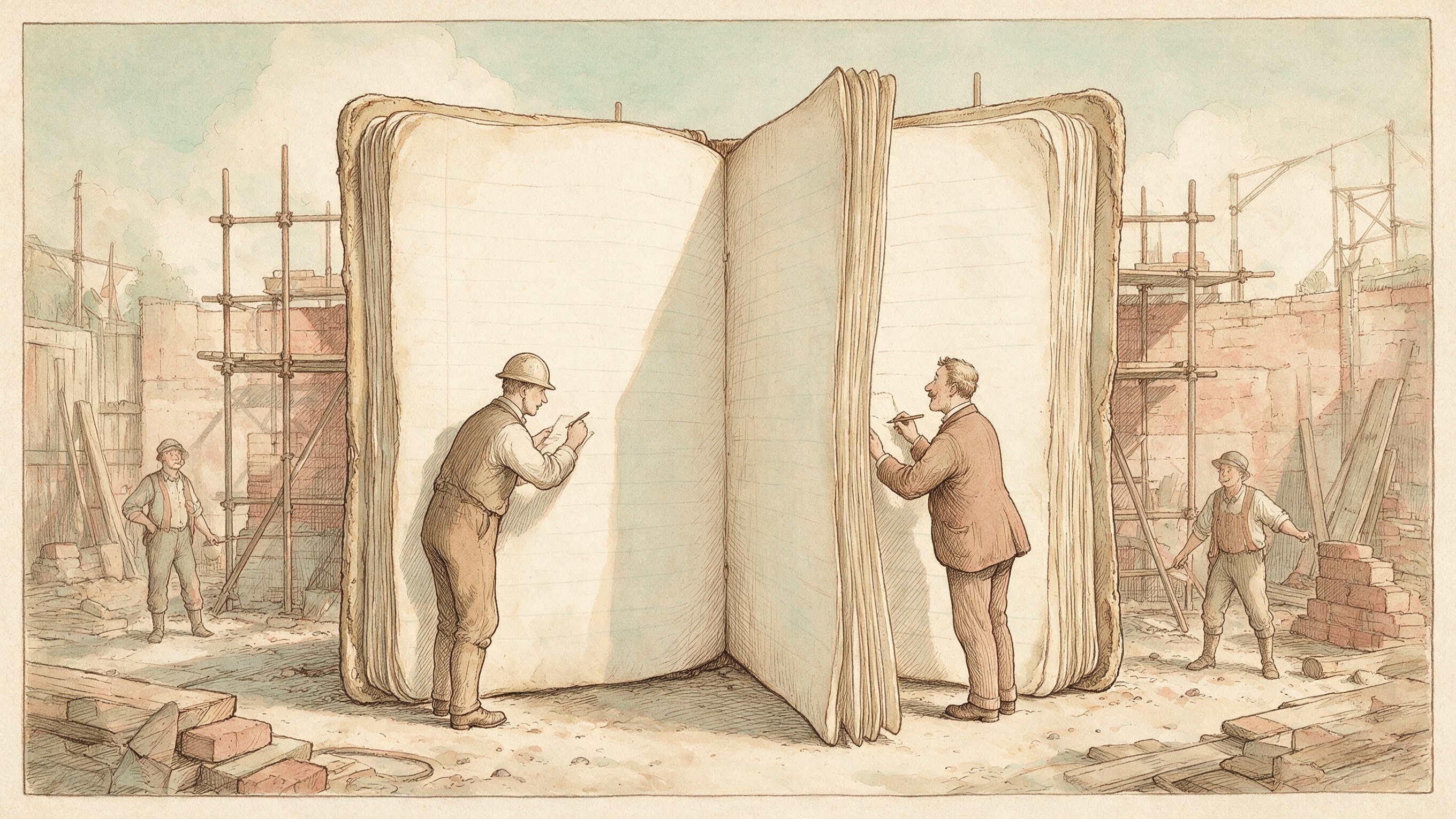
The site logbook in Peru: what changed with Law 32069 and the cuaderno de incidencias
In Peru the cuaderno de obra became the cuaderno de incidencias under Law 32069. What changed, who records entries and what each entry must contain.

The construction logbook in Mexico: what the law requires and how to keep it error-free
In Mexico the bitácora is mandatory on federal public works and kept in BESOP. What the law requires, who signs and which mistakes void a note.

What the site logbook is: a guide for site engineers in Latin America
The formal instrument of communication between the parties to a construction contract. What it is, who signs it and what it is called in each country.

Digitising a site with no connectivity: what works offline and what does not
Poor signal is the first objection on any site. Which architectures hold up without connectivity, which do not, and how to test that before you buy.

How to document a site event that may end up as a claim
What to record the moment something goes wrong, so it still works months later. The events you must document and what the record has to contain.

How to keep track of subcontractors without chasing them on WhatsApp
Subcontractor follow-up fails by design, not for lack of nagging. What to require, how often, and how to build it into the contract from day one.

A site engineer's real day: where the time actually goes
Hour by hour, where a site engineer's day goes. How much is technical supervision, how much is admin, and which part of it can be won back.

The S-curve: how to read it and what to do when you fall behind schedule
The S-curve compares planned progress against actual progress over time. How it is built, what the gap means and which decisions to take when it appears.
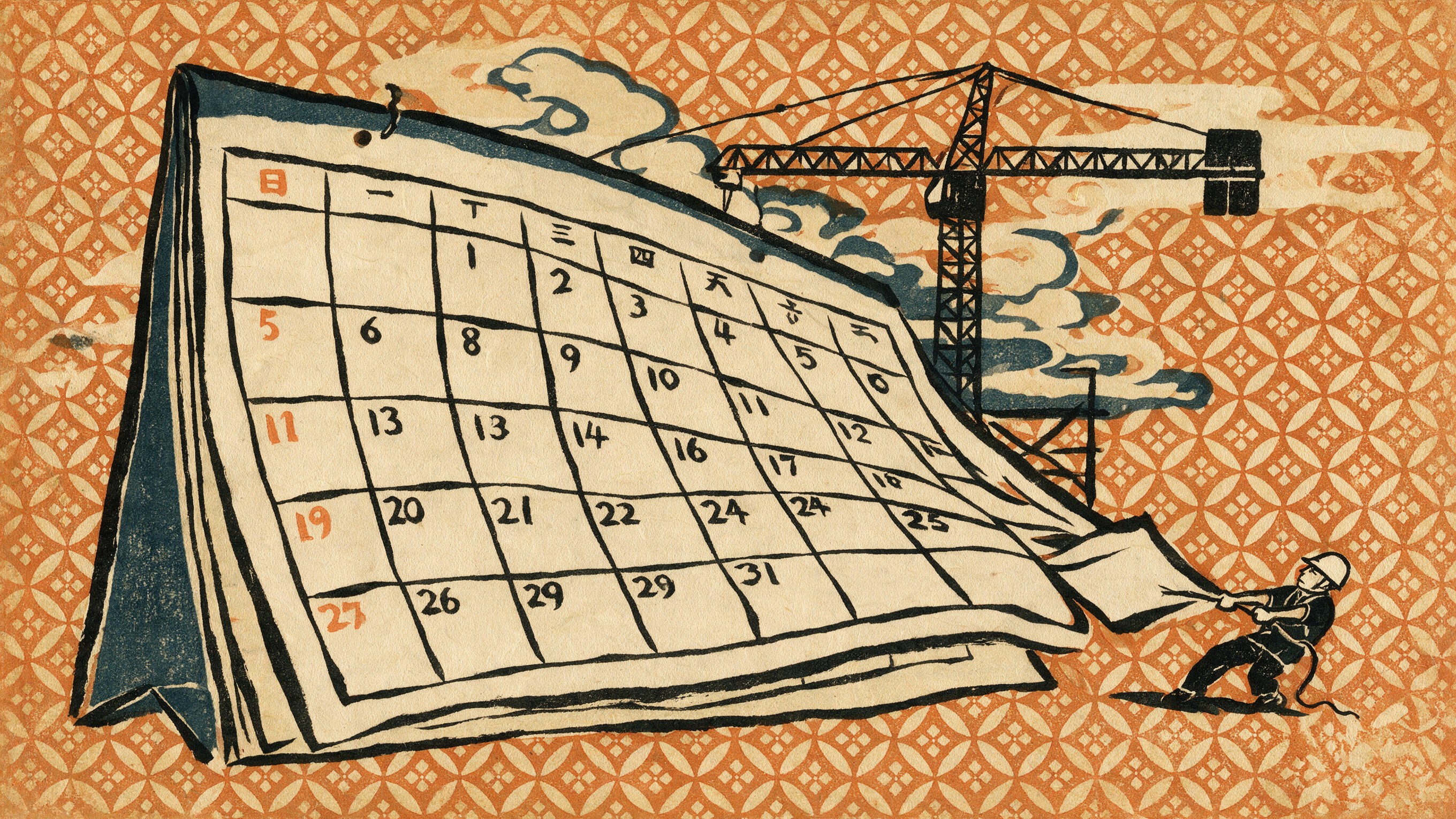
How to calculate a project's delay and forecast the real completion date
Three methods for turning "we are behind" into a defensible number and a forecast date, with their assumptions and their limits.
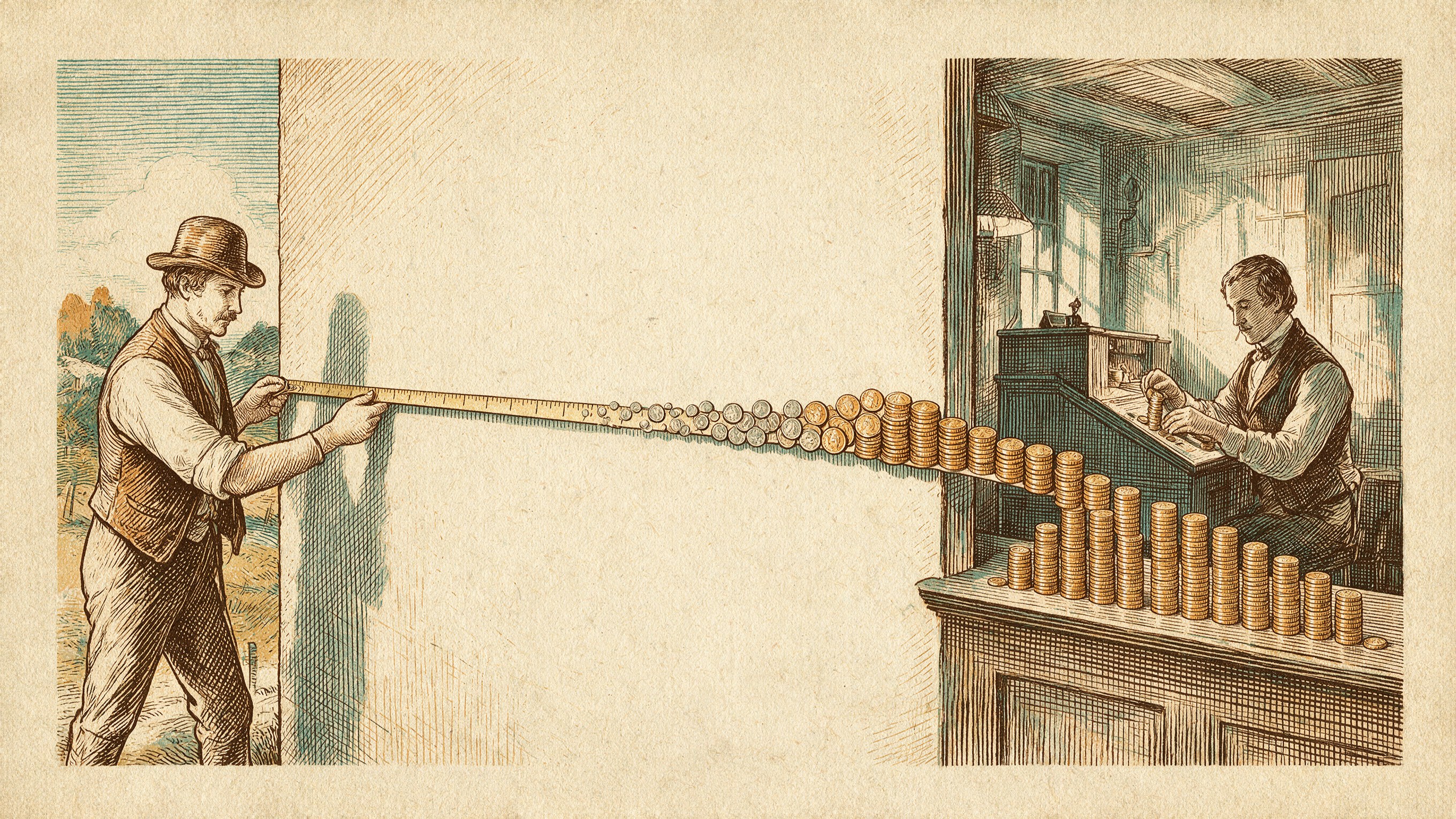
Measurement backup sheets: what they are and how to stop your claim being rejected
In Mexico the generador de obra proves how every quantity you bill was measured. What it must contain and why the supervisor sends it back.
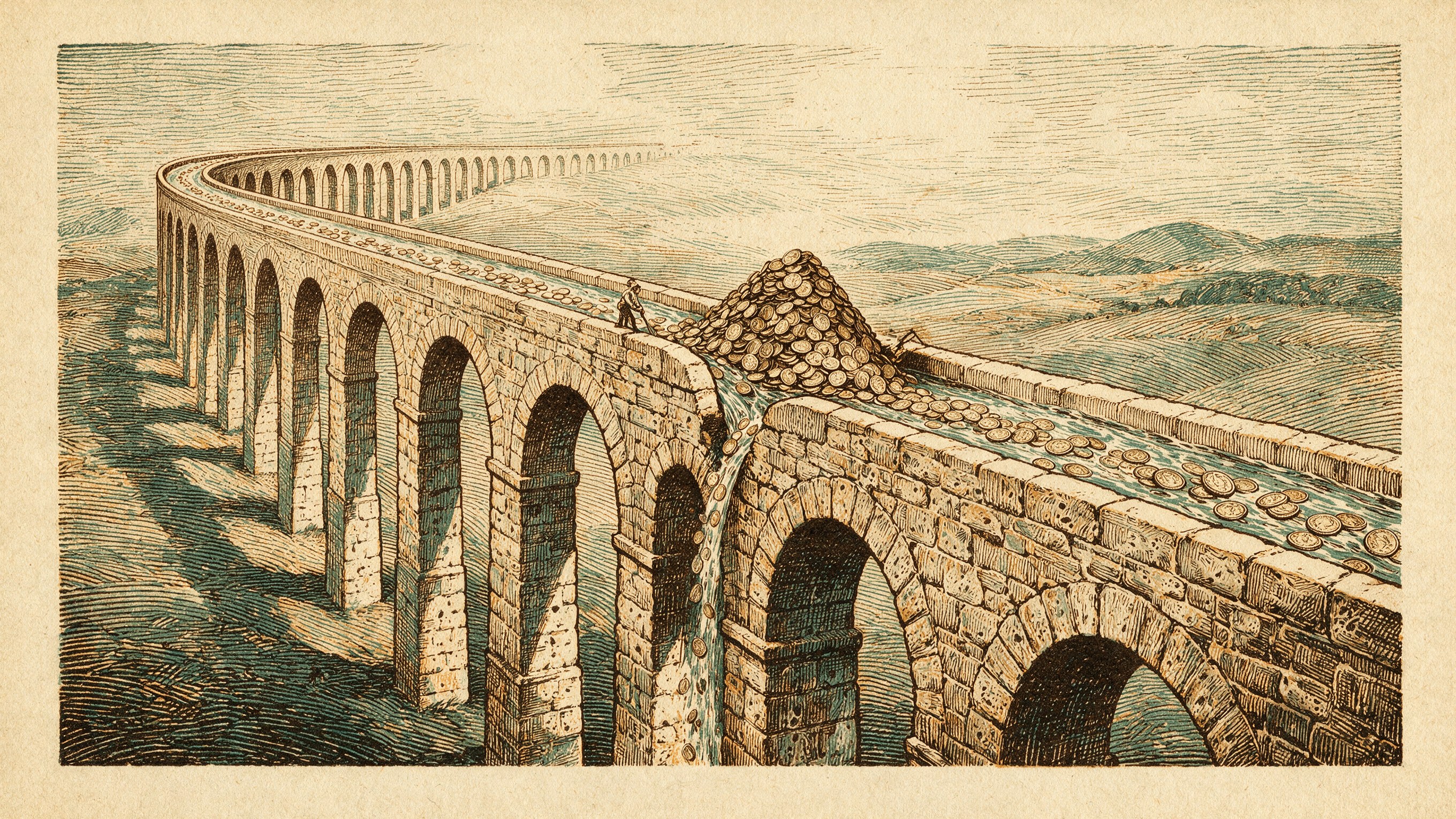
Why payment runs late on construction projects and how to shorten the cycle
Late payment on a construction project rarely starts with the client. Where the chain between doing the work and getting paid actually breaks, and how to shorten it.

Estimación, valorización, estado de pago, certificación: one concept, five names
Construction vocabulary changes in every country of the region. A dictionary of equivalences across Mexico, Peru, Chile, Colombia and Argentina, with the differences that are not just about the name.

How to build a unit-price analysis step by step
A unit-price analysis breaks the price of a line item into materials, labour, equipment and overheads. How each component is built, with a full worked example.
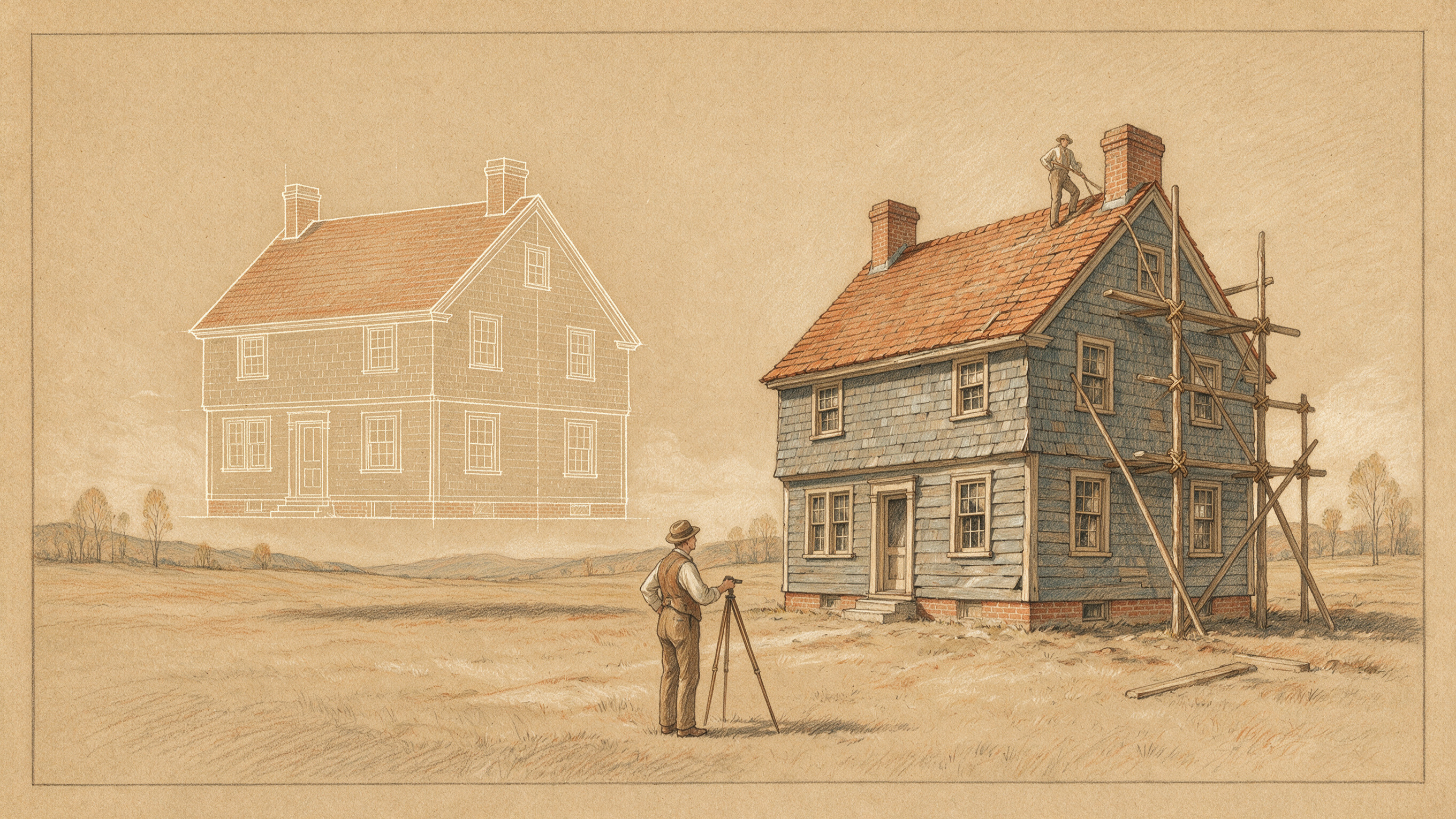
Budgeted vs actual productivity: why there is always a gap
Budgeted productivity is an average under standard conditions. The actual figure almost never matches. How much of a gap is normal, and when it stops being normal.
How to measure a crew's actual productivity
A crew's actual productivity is measured by dividing the quantity executed by the crew-days spent on it. The formula, a full worked example and the mistakes that distort it.
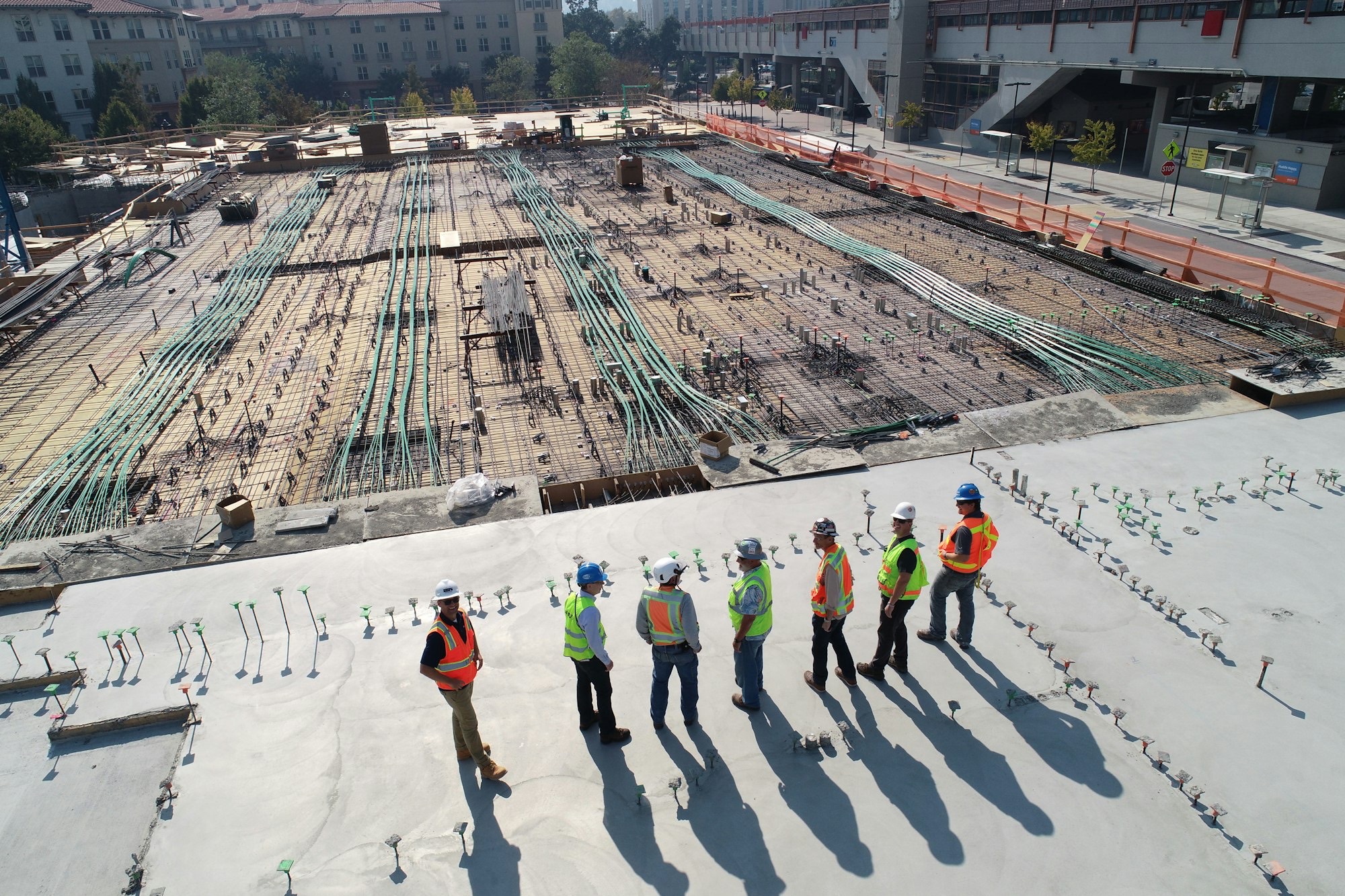
What must a construction payment estimate contain? (and why review it in 3D)
The minimum supporting documents of a construction payment estimate in Venezuela, the most common review mistakes and how a 3D digital twin changes it.