

Paladio Paladio
CATEGORY

Productivity

Real crew productivity, progress against plan and the hours that leak before anyone measures them.
12 articles
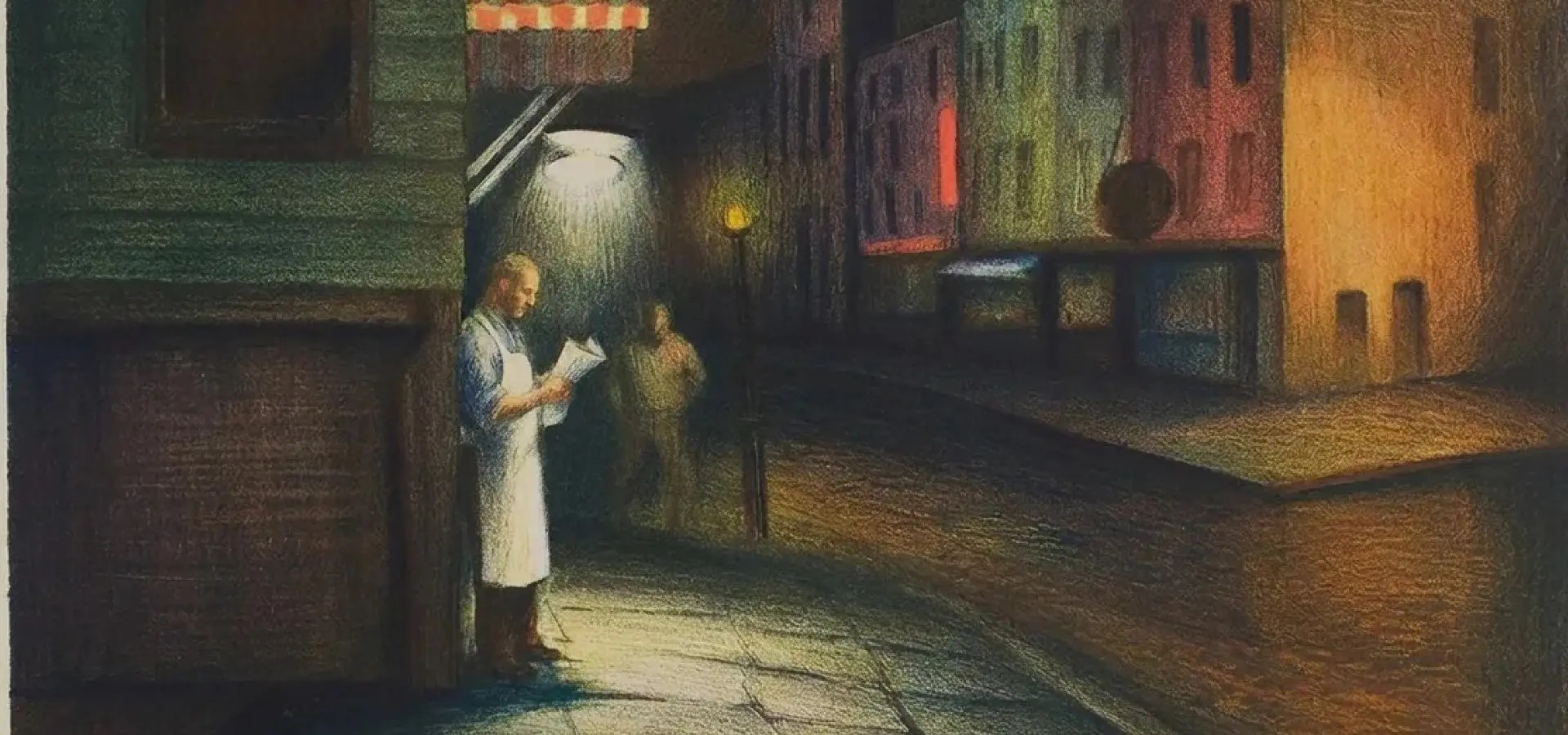
Nocturnal coloured-pencil illustration of a dim cobbled street, with a man in a white apron standing under a shop awning, reading a sheet of paper closely by the light of the street lamp, while behind him a blurred figure waits in the shadow and the façades beyond light up their windows

Construction scheduling: how to build a programme that is actually worth something

Critical path, float and baseline without the jargon. How a construction programme is built, why most are useless and what to do when reality drifts.
by Felipe Arancibia
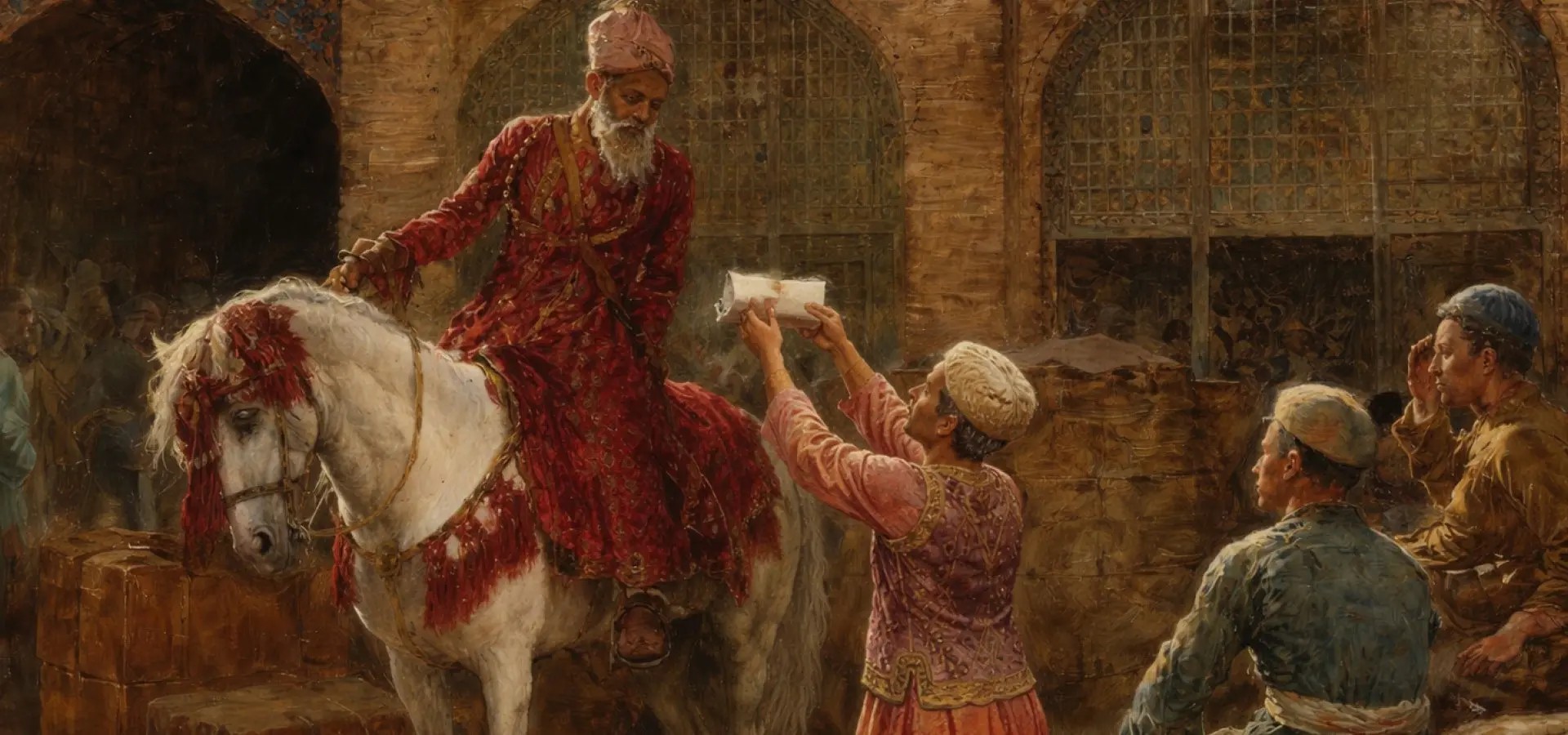
Orientalist painting of a white-bearded merchant in a crimson robe, mounted on a white horse in red harness before the tiled arches of a bazaar, while a man in pink raises both hands to hand him a rolled paper and the traders seated to one side look on

Supply on site: why the material does not arrive and how to stop losing days

Missing material is the number one cause of days lost on site. Where the chain really breaks, when to order, and what to record so you do not pay for the delay.
by Felipe Arancibia
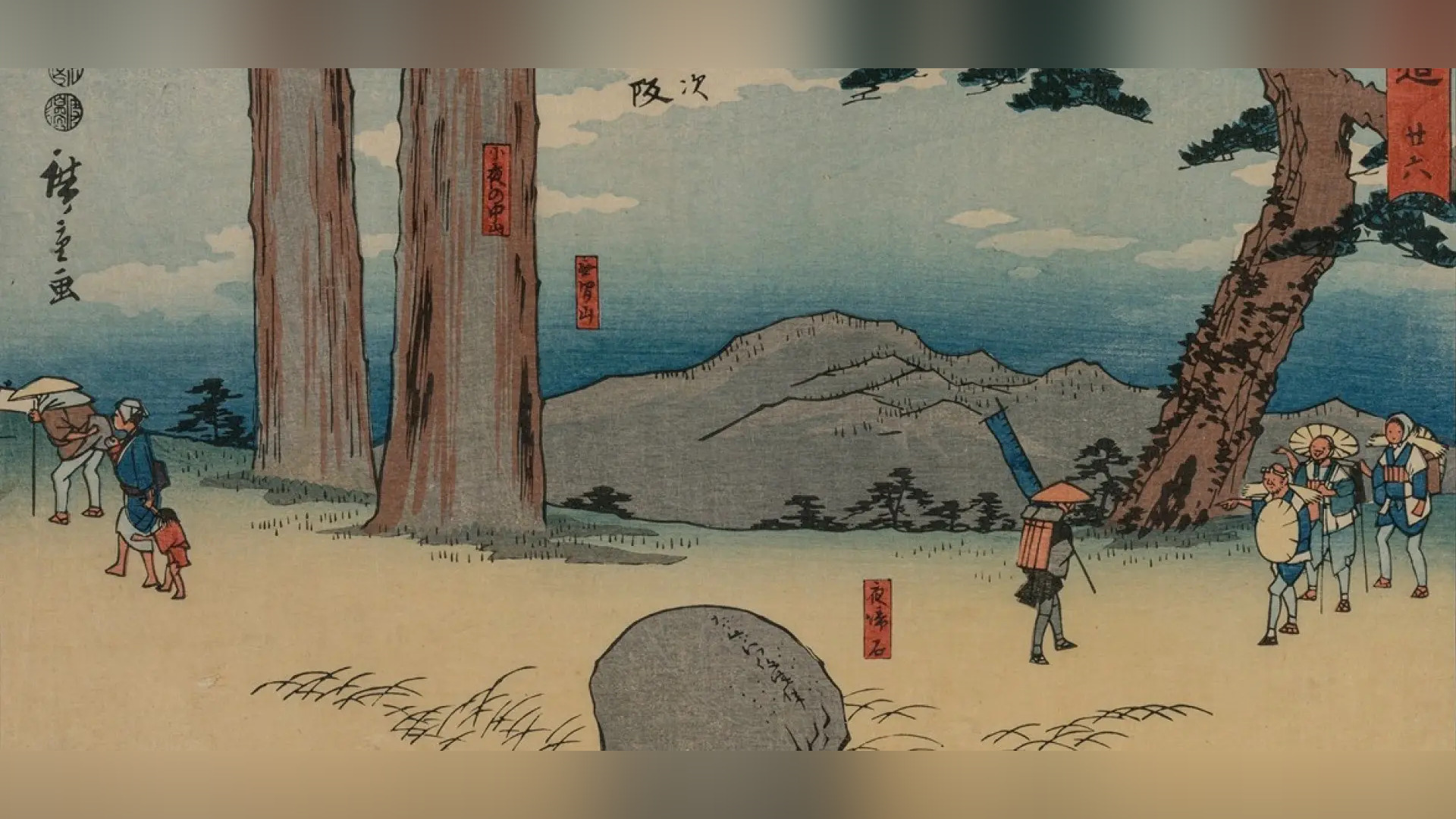
Japanese woodblock print by Hiroshige at the Sayo no Nakayama pass; a group of travellers arrives from the right pointing at the stone by the road while others walk away to the left, and the stone stays between them holding a story that only passes by word of mouth

Changing site engineer mid-project: how not to lose the information

When the site engineer changes, the project loses months of context that lived in their head. What is lost, what survives and how to run a handover that works.
by Felipe Arancibia
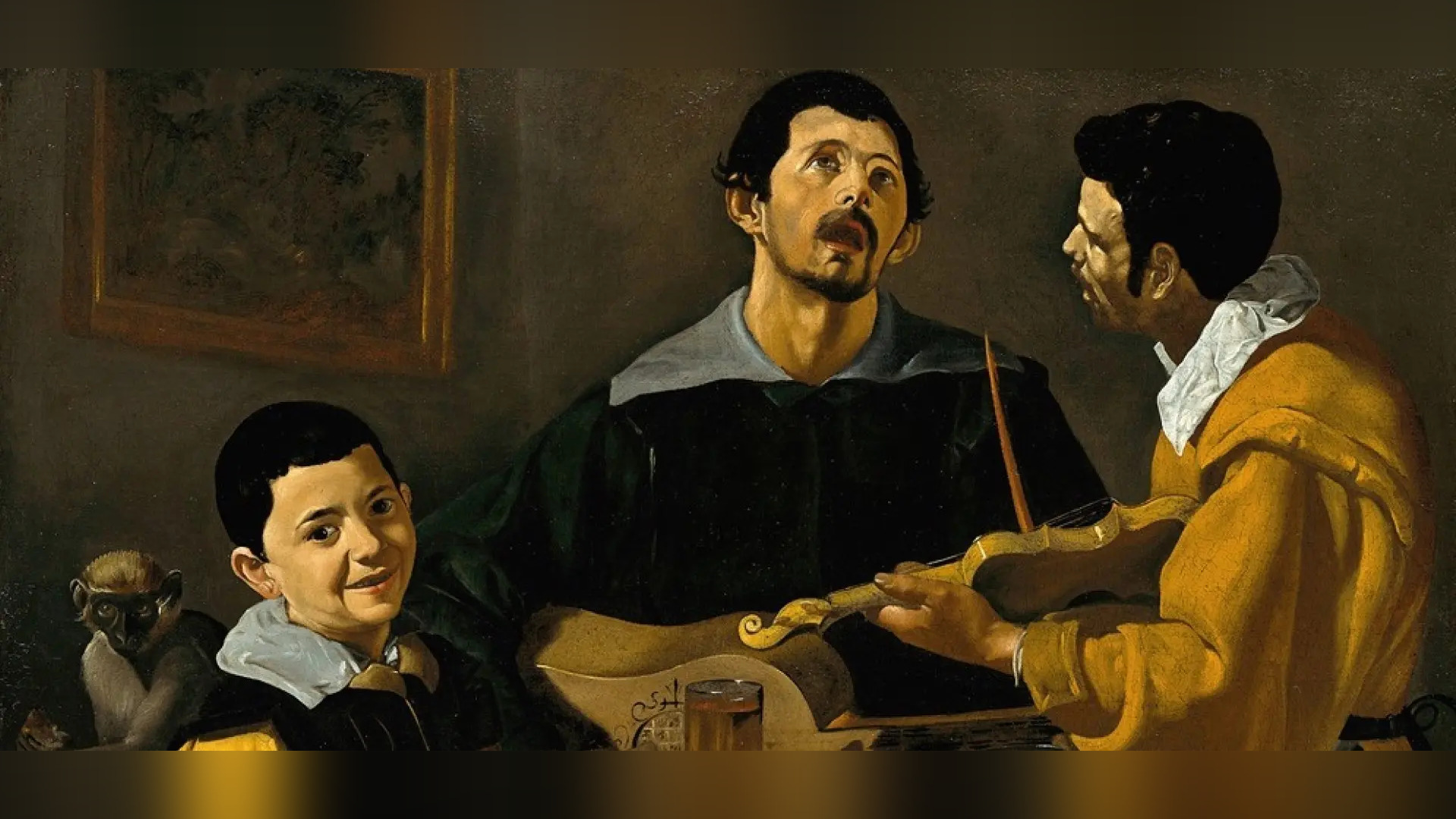
Baroque painting by Velázquez of three musicians singing and playing around a table, absorbed in the music and looking upward, while in the shadows at the left edge a monkey helps itself to the food without anyone noticing

The seven signs a project is going to lose money, months before anyone notices

A project rarely goes under all at once. The seven early signs that show up weeks before the numbers confirm it, and what to look at in each one.

by Felipe Arancibia
Orientalist oil painting in ochres and whites; a rider with a rifle slung across his back stops at a workshop door without dismounting from his white horse, while the owner and a servant each get on with their own work

How to run five sites at once without living in the pickup

Running several sites at once fails by design, not for lack of effort. What information a construction director needs, how often, and what can be delegated.
by Felipe Arancibia
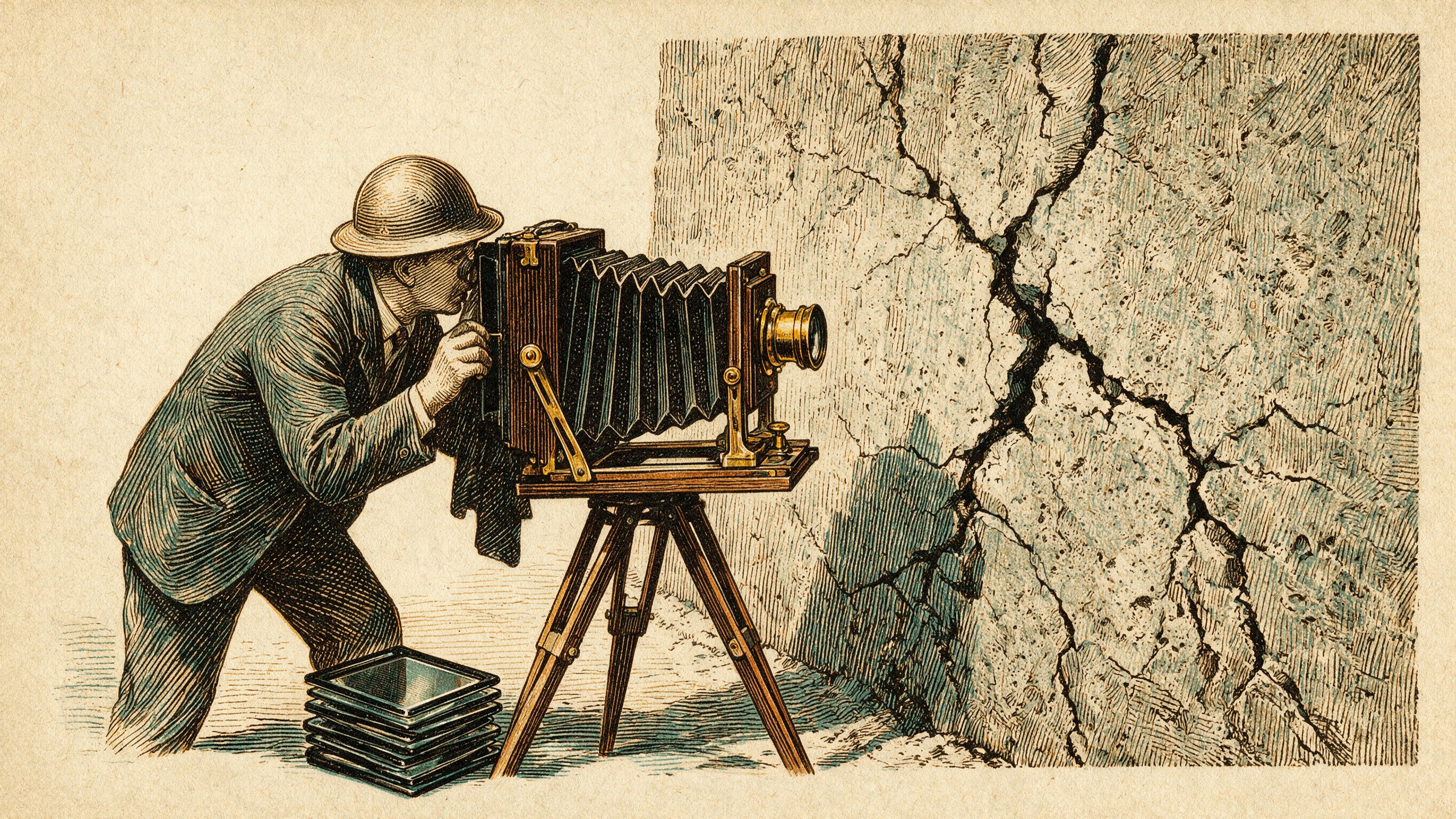
Vintage editorial engraving of a photographer in a hard hat documenting a crack running across a concrete wall with a large bellows camera on a wooden tripod; at his feet, a neat stack of glass plate negatives

How to document a site event that may end up as a claim

What to record the moment something goes wrong, so it still works months later. The events you must document and what the record has to contain.
by Felipe Arancibia
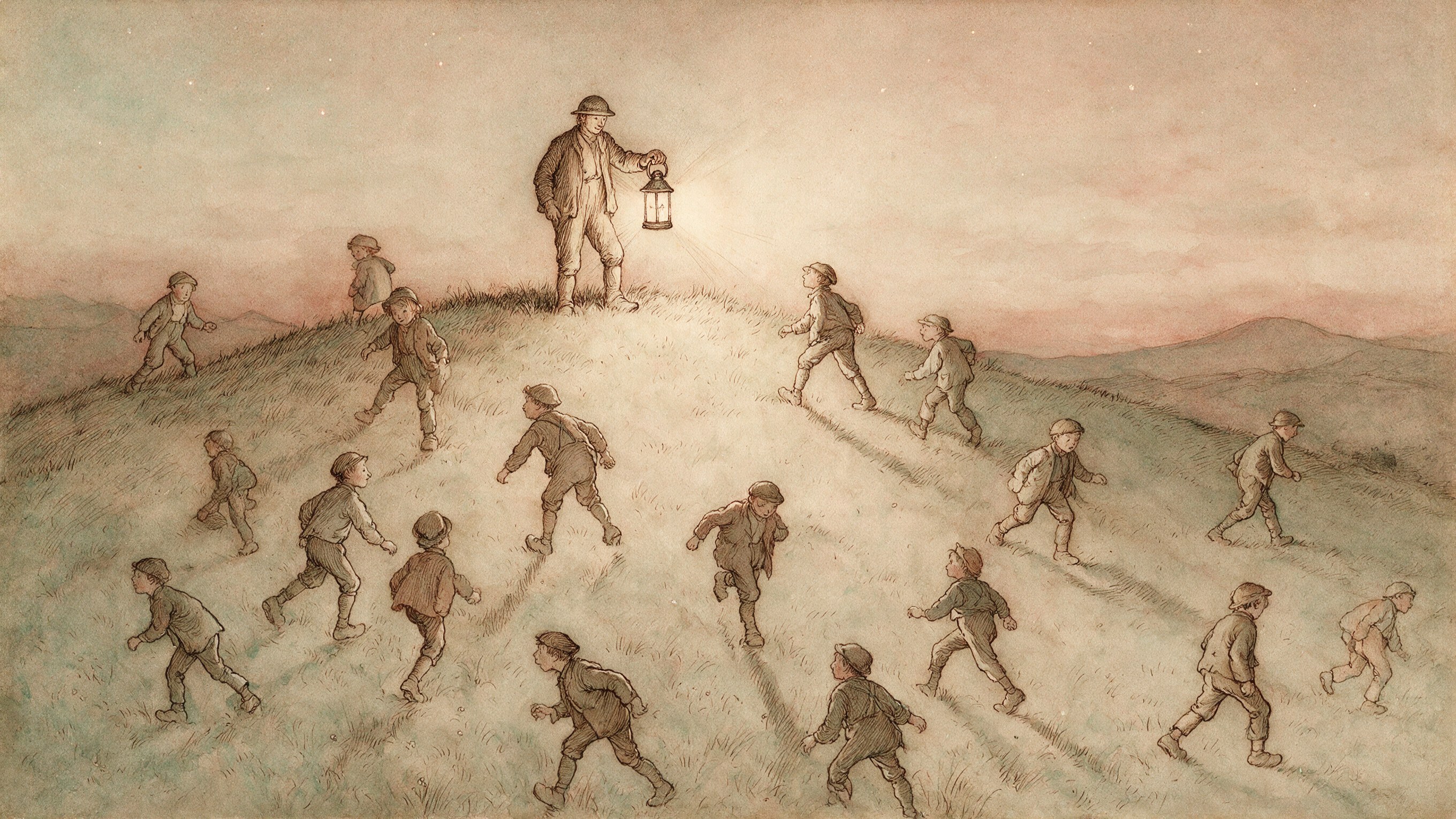
Edwardian pen-and-ink and watercolour illustration of a hillside at dusk; at the top a foreman in a hard hat holds a lantern whose light reaches only a few, while a dozen workers scatter down the slope, each heading a different way

How to keep track of subcontractors without chasing them on WhatsApp

Subcontractor follow-up fails by design, not for lack of nagging. What to require, how often, and how to build it into the contract from day one.
by Felipe Arancibia
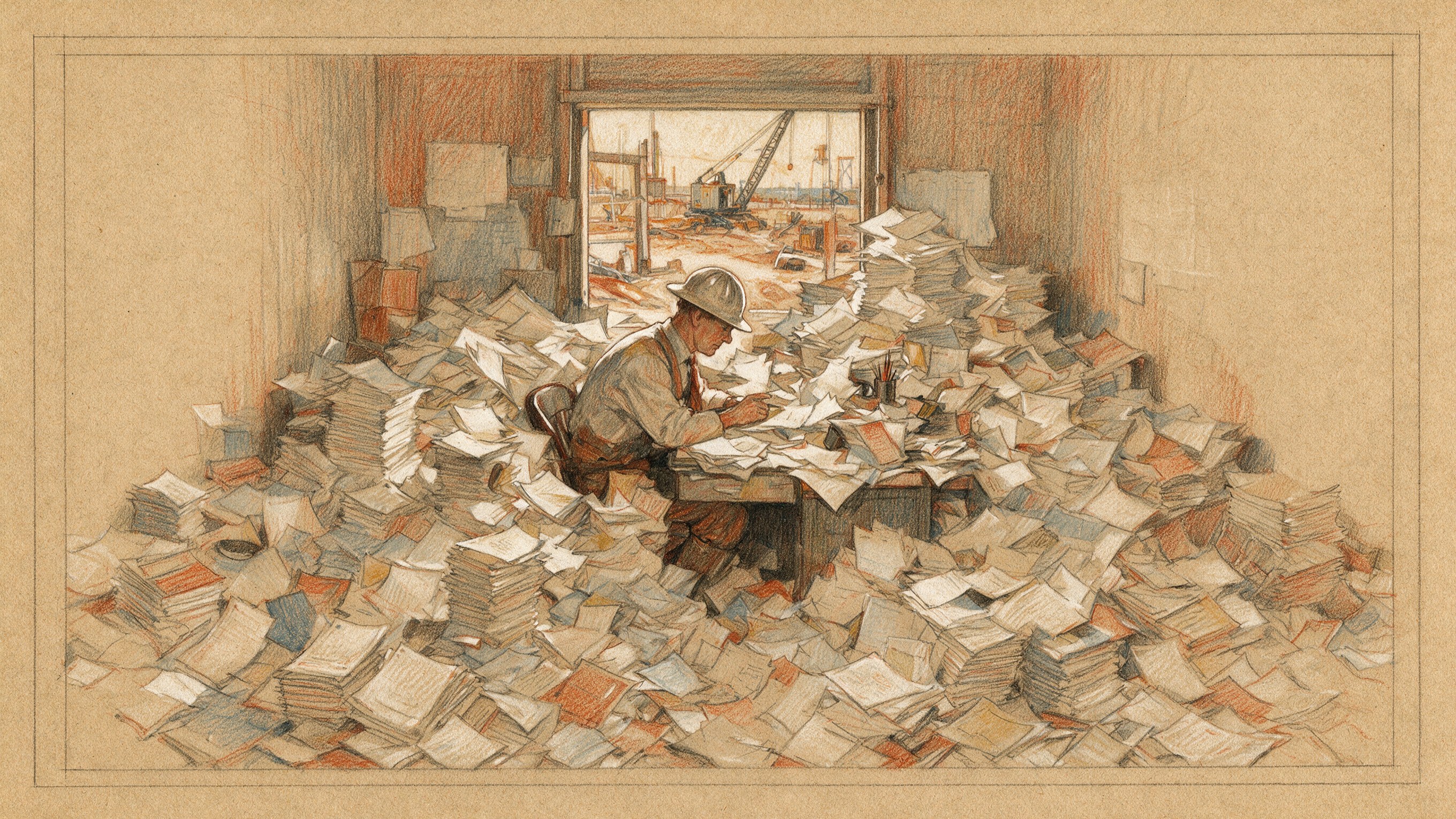
Coloured-pencil illustration on tan paper of a hard-hatted site engineer at a desk inside a site hut, almost buried under an avalanche of paperwork spilling onto the floor; through the window behind him the site is in full daylight, crane and workers, with nobody supervising it

A site engineer's real day: where the time actually goes

Hour by hour, where a site engineer's day goes. How much is technical supervision, how much is admin, and which part of it can be won back.
by Felipe Arancibia
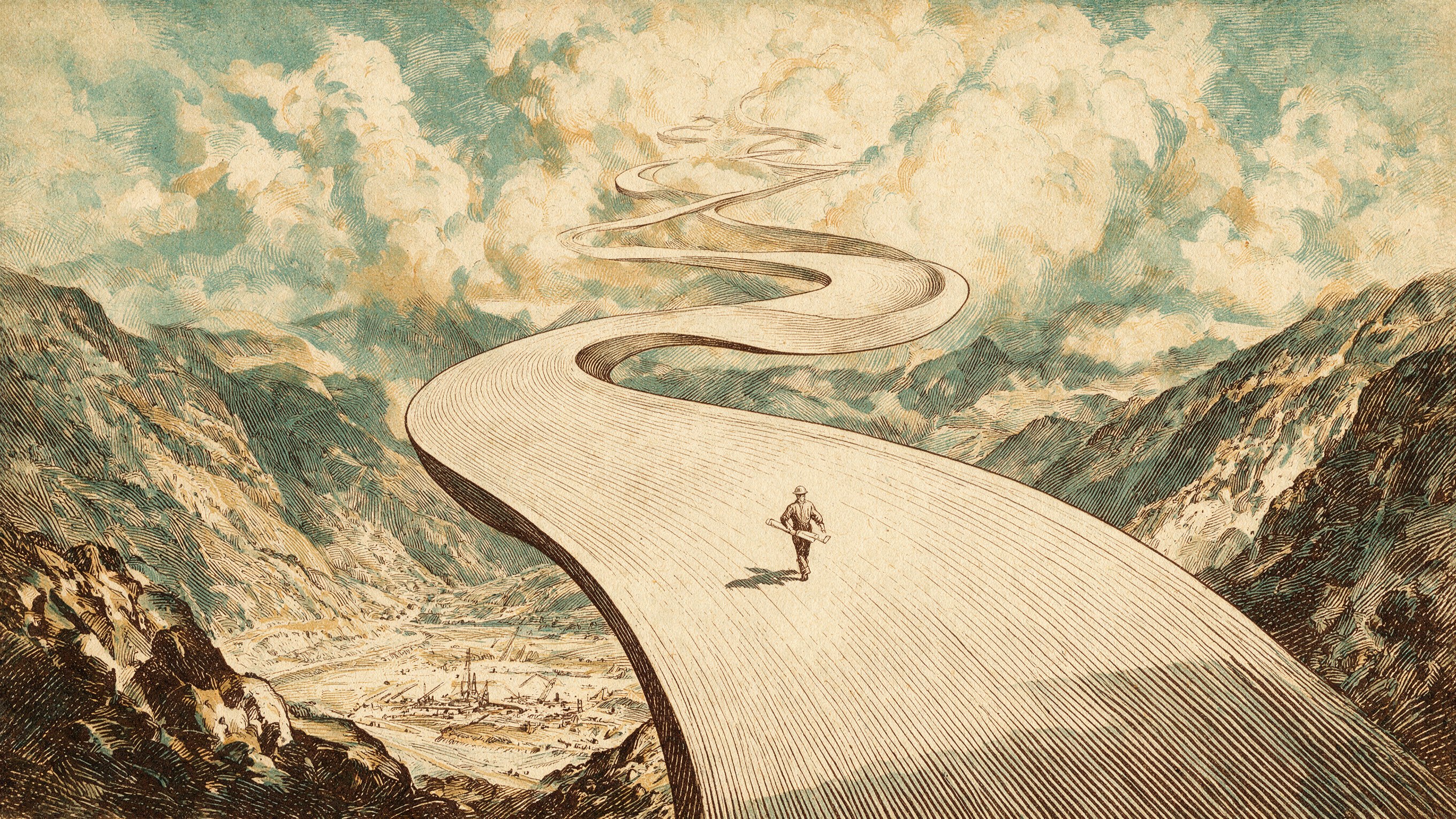
Vintage engraving of an S-shaped ribbon of road rising out of a valley and curving into the clouds; a lone engineer in a hard hat walks up the middle of it carrying a rolled drawing, tiny against its scale, with a construction site hatched on the valley floor below

The S-curve: how to read it and what to do when you fall behind schedule

The S-curve compares planned progress against actual progress over time. How it is built, what the gap means and which decisions to take when it appears.
by Carlos Pérez (Comandos)
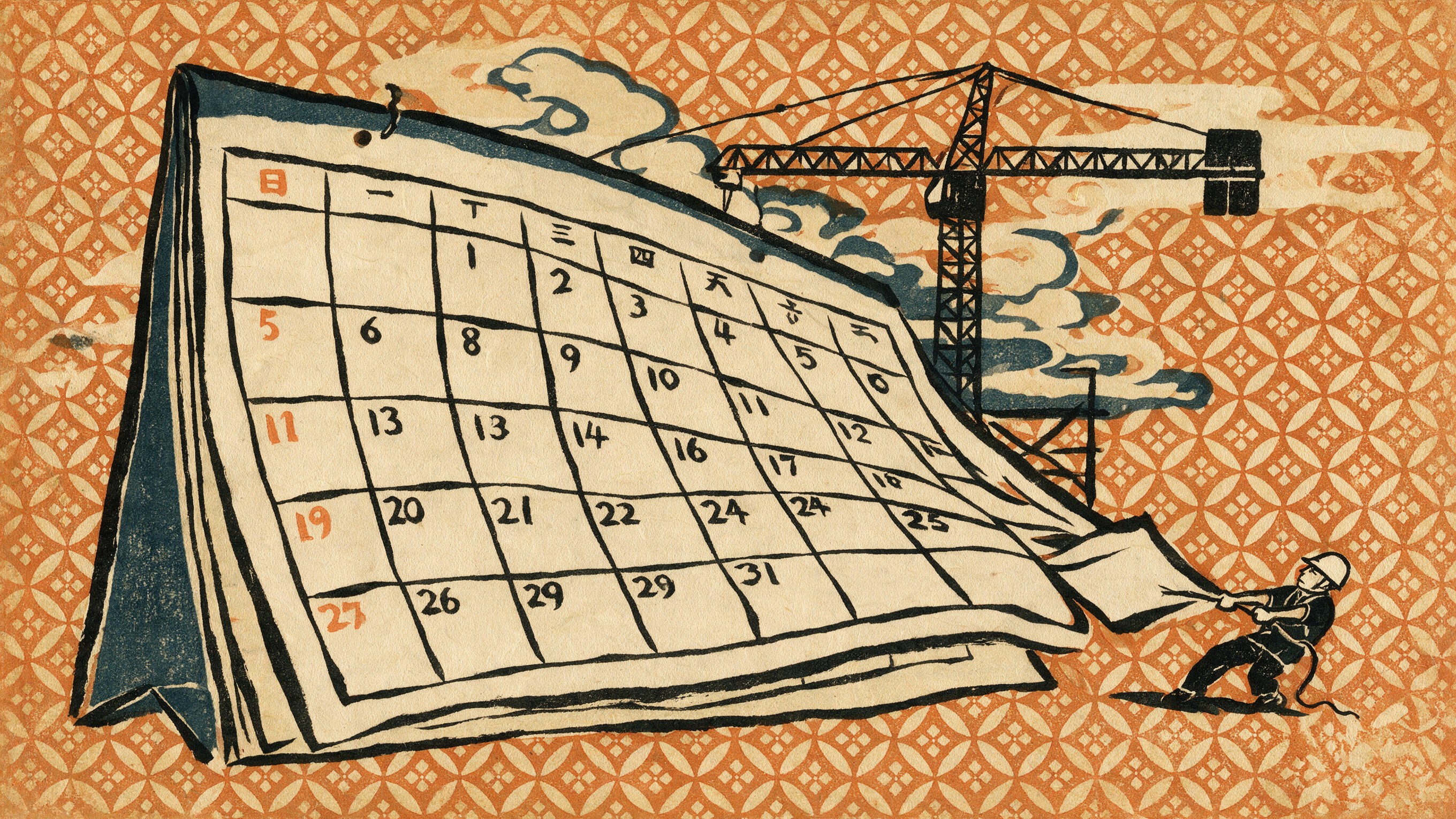
Japanese woodblock print of a giant wall calendar whose grid of days stretches like elastic towards the right; a small figure in a hard hat pulls at the last square with a rope, trying to drag it back into place, with a tower crane and decorative clouds behind

How to calculate a project's delay and forecast the real completion date

Three methods for turning "we are behind" into a defensible number and a forecast date, with their assumptions and their limits.
by Carlos Pérez (Comandos)
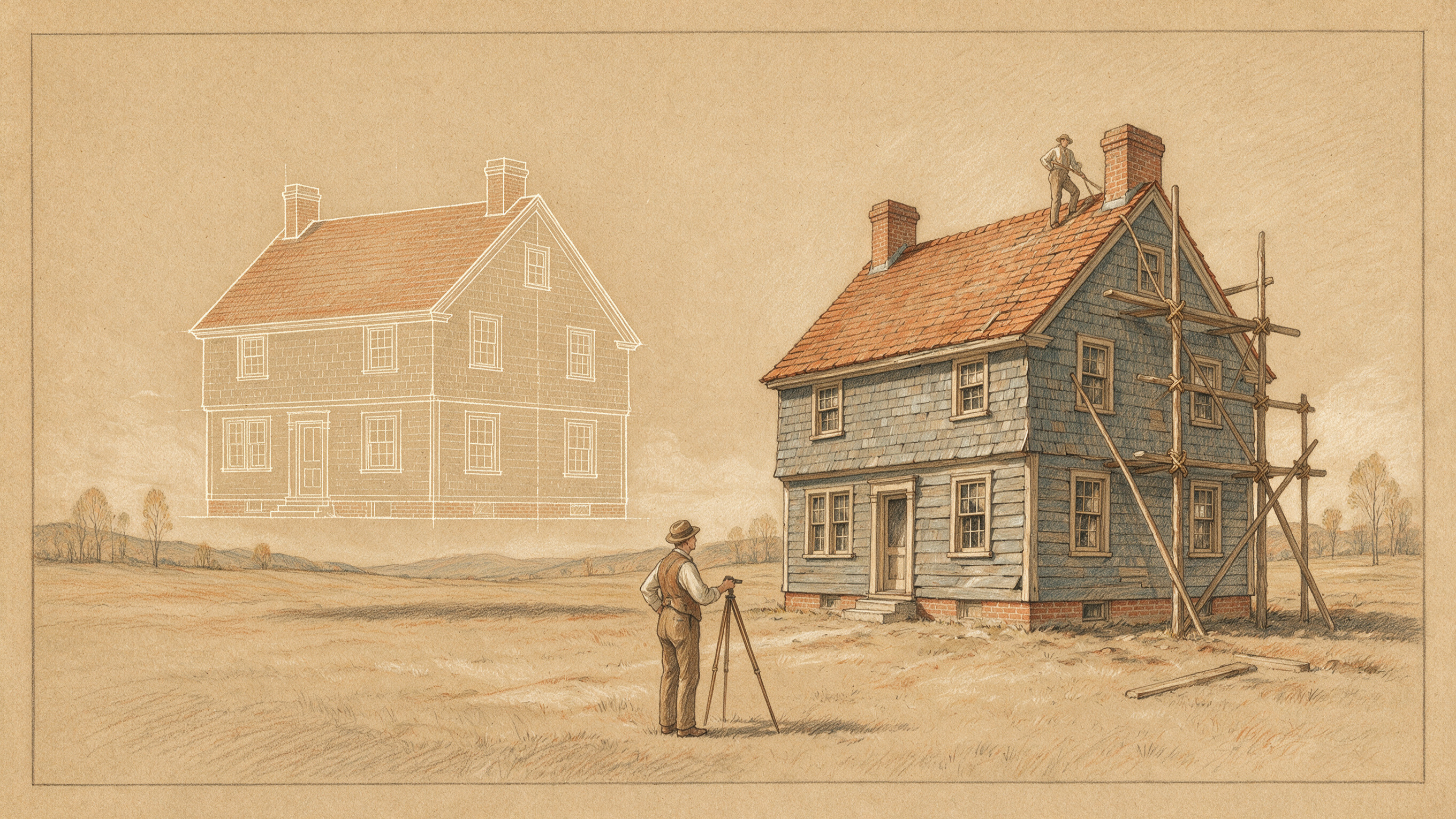
Coloured-pencil illustration of two identical houses in an empty field: the one on the left drawn as a perfect blueprint, the one on the right built and still scaffolded, with a surveyor looking between them

Budgeted vs actual productivity: why there is always a gap

Budgeted productivity is an average under standard conditions. The actual figure almost never matches. How much of a gap is normal, and when it stops being normal.
by Carlos Pérez (Comandos)
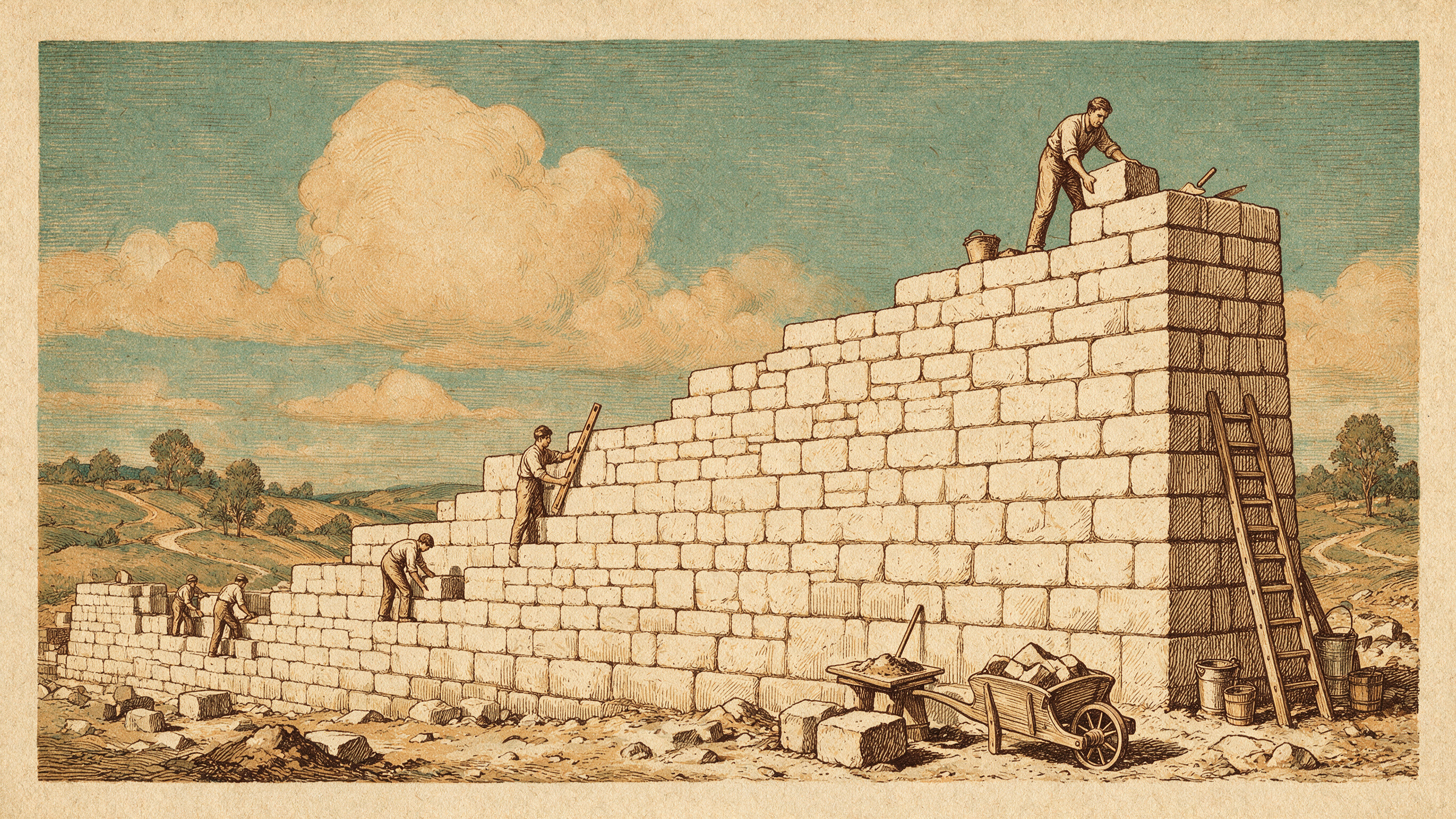
Engraving of a masonry crew raising a wall whose courses rise in steps, like the bars of a chart

How to measure a crew's actual productivity

A crew's actual productivity is measured by dividing the quantity executed by the crew-days spent on it. The formula, a full worked example and the mistakes that distort it.

by Carlos Pérez (Comandos)
← All articles