

Measurement backup sheets: what they are and how to stop your claim being rejected

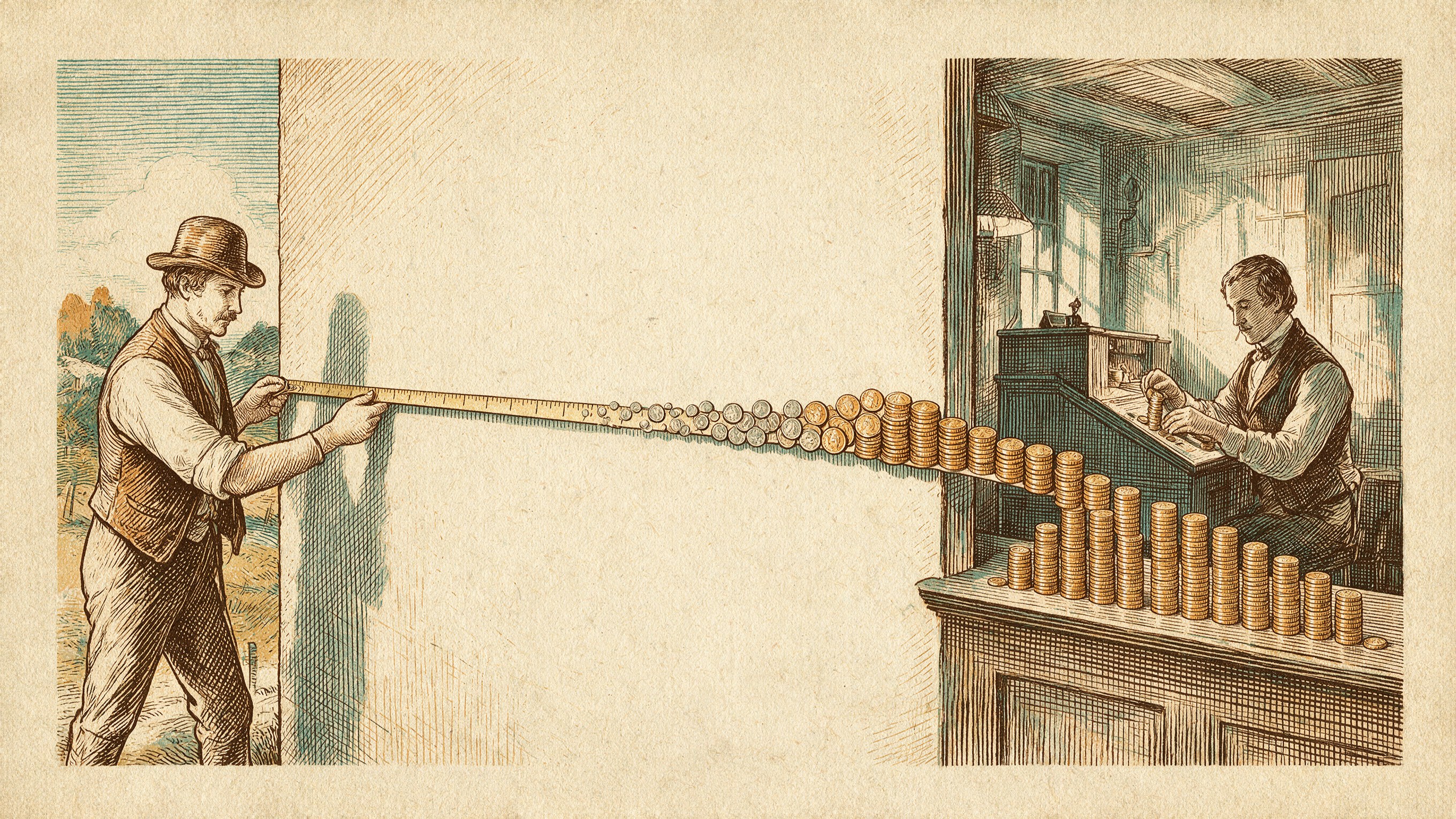
A measurement backup sheet is the document that supports the quantity of executed work billed in a progress claim. It shows where it was measured, with what dimensions and through what arithmetic the figure was reached, referencing the drawing and the exact location. Without a backup sheet, a quantity is a claim; with one, it is a verifiable measurement.
In practice the backup sheet is the piece that decides whether you get paid this month or next. And on most projects it is thrown together on the 28th, reconstructing from memory what happened three weeks earlier.
What it must contain
A backup sheet that leaves no room for argument has six elements:
Item identification. Code and description exactly as they appear in the contracted schedule. Not a similar description: the same one.
Precise location. Level, gridline, span, chainage. It must be possible to stand at the spot and verify. “Ground floor wall” is not a location; “wall on gridline B between gridlines 3 and 5, level 1” is.
A sketch. A diagram, even freehand, showing what was measured. It is what turns a list of numbers into something checkable, and it is the element most often left out.
Dimensions and arithmetic. Length by height, less openings, equals quantity. With the numbers visible, not just the result.
Drawing reference. Number and revision of the drawing the work was measured against. When several revisions are in circulation, this avoids half the arguments.
Date of execution and signatures. When the work was done, not when the paperwork was assembled. And the supervisor’s sign-off.
The six reasons it gets rejected
The item does not match the schedule. You bill something the schedule does not cover, or you describe it differently. If the work genuinely is not in the schedule, it is not a backup-sheet problem: it is an extraordinary price and follows another route.
The unit does not correspond. The schedule says square metre and you measured linear metre, or the schedule deducts openings and you measured gross. Automatic rejection.
The sketch does not add up to the figure. The dimensions in the diagram do not produce the reported quantity. It is usually an honest arithmetic slip, and it sends the whole package back regardless.
Duplication with earlier claims. The same span billed twice. It happens when there is no cumulative control by location, and it is among the hardest comments to argue against because it stays on the record.
No sign-off on the date of execution. This is the most frustrating one. You measured correctly, but you measured alone, and now you are asking someone to authorise a quantity for work that is already covered up. Nobody signs what they cannot verify.
Work that cannot be verified on site. Everything that ends up buried —reinforcement before the pour, services before backfill, waterproofing before the screed— has to be documented before it is covered, with the supervisor present. Afterwards, no backup sheet will save you.
The underlying error: measuring at the end
The six reasons above share one cause. When measurement happens at month end, everything else fails in cascade: it is reconstructed from memory, there is no contemporaneous sketch, the supervisor was not present, and whatever was covered up can no longer be verified.
A backup sheet is not a document you assemble. It is a record you accumulate.
The practice that fixes the problem is simple to state and hard to sustain: measure the same day the work is done, and get the supervisor’s sign-off right there. At month end, the claim is assembled by adding up records that are already signed off, and the process stops being a negotiation and becomes a sum.
Five practices that cut rejections
- Agree the format before the first claim. Ask the supervisor how they want to see the backup sheets before you build the first one. Ten minutes of conversation up front save weeks later.
- A cumulative record by location. A living table where each span appears only once, with what has been billed to date. It eliminates duplication at the root.
- A dated photo of everything about to be covered. With a visible location reference. It is the only possible defence over buried work.
- Partial, frequent sign-off. Have the supervisor sign weekly records instead of a monthly package. Less volume at a time and room to verify.
- Submit before the deadline. If you submit on the last day, any comment costs you the whole month. Submitting three or four days early gives you room to correct within the period.
Frequently asked questions
- Is the backup sheet the same as the sketch?
- No. The sketch is one part of the backup sheet. The sheet also includes the item identification, the location, the arithmetic, the drawing reference and the signatures.
- Can backup sheets be digital?
- Yes, and the trend clearly points that way. What matters is not the medium but that it contains the six elements, that the sign-off is attributable to an identified person and that the date is verifiable.
- What if the supervisor does not sign my backup sheets on time?
- Document the delivery with a dated acknowledgement and record the lack of response in the site logbook. A sheet delivered and not commented on within the contractual deadline is normally deemed signed off, but that depends on the contract: check it before assuming.
- How do I handle executed work that is not in the schedule of items?
- Do not slip it into the backup sheet of a similar item. That road ends in comments and in distrust of the whole package. Process it as an extraordinary or out-of-schedule price, according to your contract, and document the instruction that originated it.
- How long should I keep backup sheets?
- For the full warranty and contractual liability period, which depending on the country and type of project can be five to ten years. In a dispute, backup sheets are among the first documents requested.
Founder and CEO of Paladio. He has spent more than 15 years building financial products that touch the lives of millions of people. He writes about what he sees on site: how progress is really measured and where the money leaks.
See all their articles →