

Costs
Unit prices, measurement backup and collections: where a project’s money goes and how every billed quantity is proven.
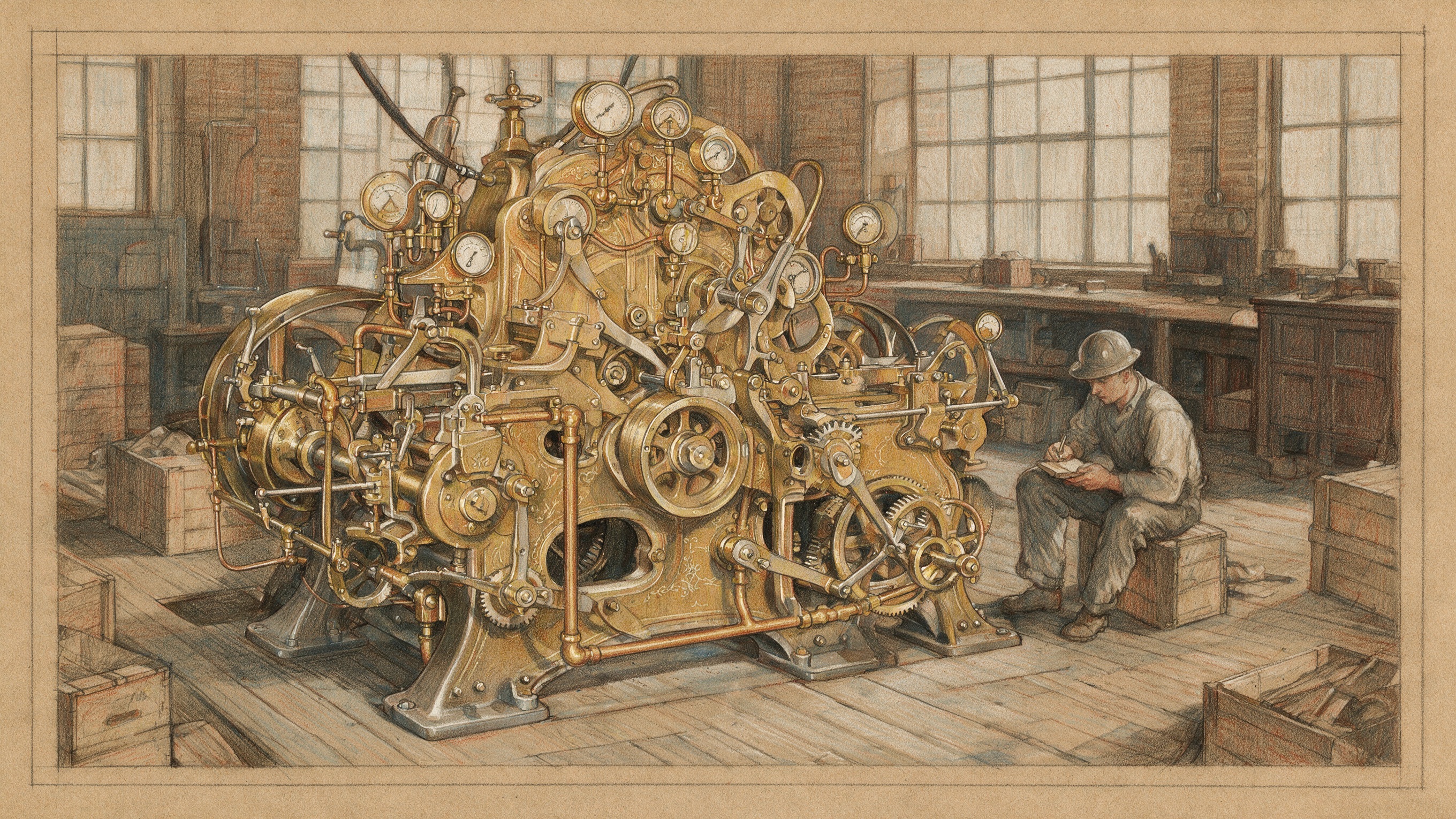
Plant and machinery: how the hourly cost is calculated and when renting makes more sense
The hourly cost of a machine is made up of fixed, consumption and operating charges. How it is calculated, what always gets forgotten, and when renting beats buying.

Unit prices or lump sum: what changes and who carries which risk
The difference between unit prices and lump sum is not a matter of format: it decides who carries the quantity risk. Pros, cons and when each one fits.

The site store and waste: where the material you actually bought goes
Material that is bought and never becomes finished work is a silent loss. The five causes of overconsumption and how to tell them apart in time.

Price redetermination in Argentina: how it works and why filing late loses money
Redetermination keeps a public works contract economically balanced against price variation. How the national regime works and the deadlines you must meet.

Works certification in Argentina: how the certificado is built and why it gets flagged
The certificado de obra is the instrument used to bill progress on a works contract in Argentina. What it contains, what backing the inspection demands and why it bounces.

Actas parciales in Colombia: what evidence they require and why they get returned
The acta parcial is the document used to bill progress on a works contract in Colombia. What it contains, what evidence the interventoría demands and why it bounces.

Extraordinary unit prices in Mexico: when they apply and how they get approved
An extraordinary price is set for an item not contemplated in the original schedule. When it applies in Mexican public works, how it is built up and why it gets rejected.

Payment applications in Chile: how they are put together and why they get rejected
In Chile the estado de pago is the periodic claim for progress under a construction contract. What it must contain, how it is calculated and the concrete reasons the ITO raises observations.
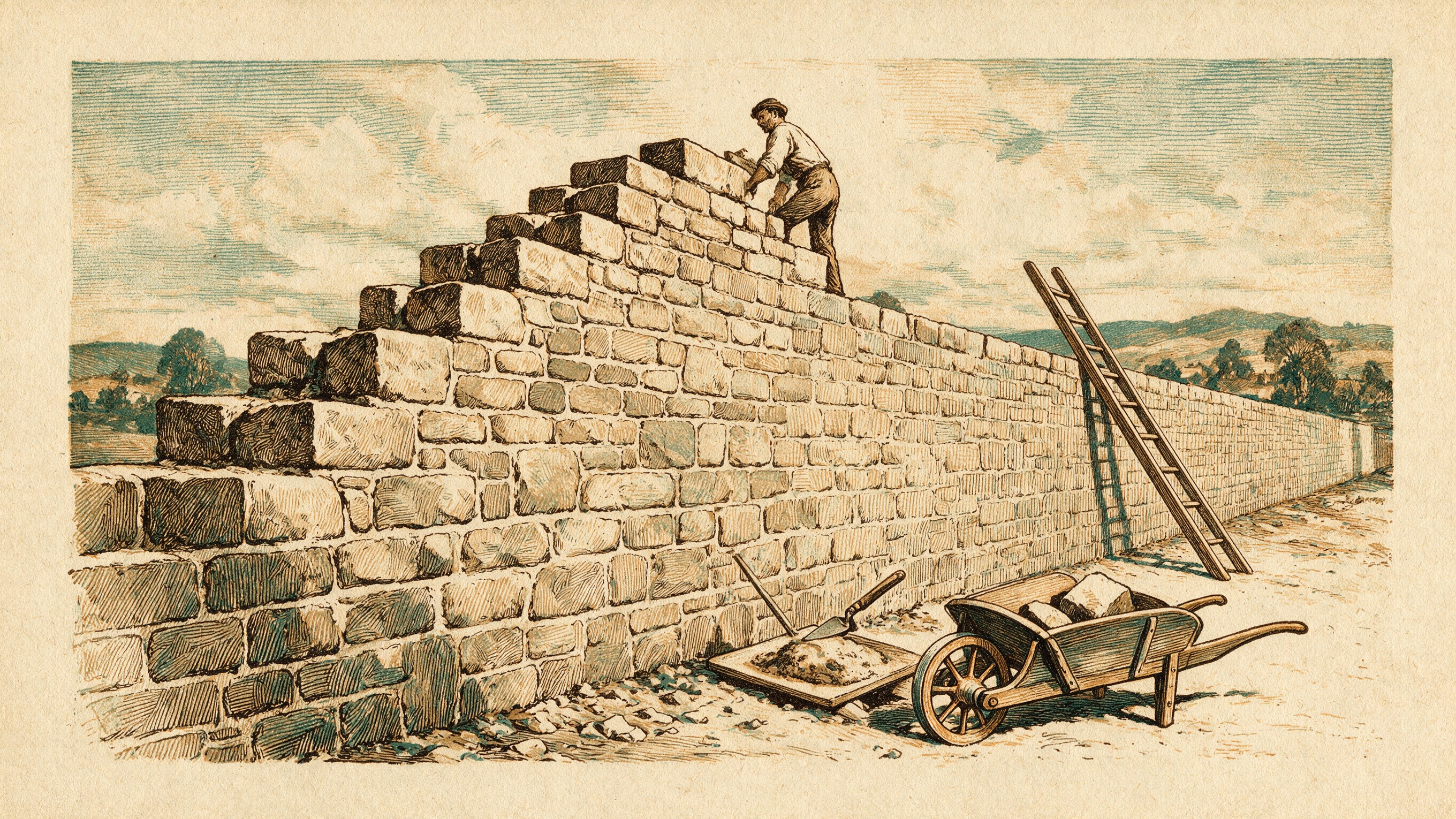
Quantity measurement on site: method, criteria and the errors that cost most
Cubicar means measuring and quantifying the items of a job. The method, the measurement criteria to settle before you start and the errors you pay for when you claim.
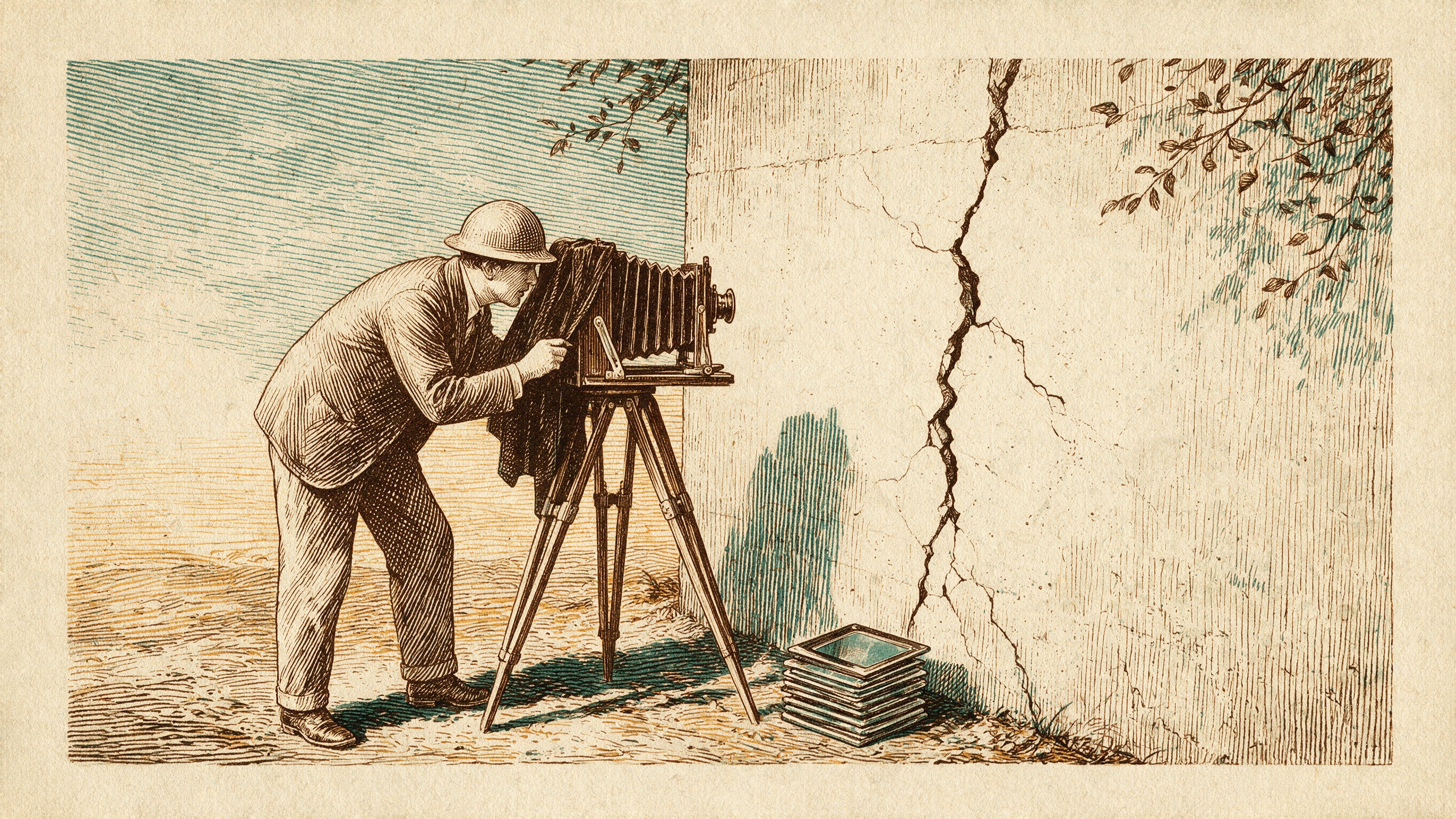
Price adjustment in Chilean construction contracts: how it works and what to check before signing
In Chile price adjustment shields the contractor from price movement during execution. The usual mechanisms, what to check in the clause and the common calculation errors.
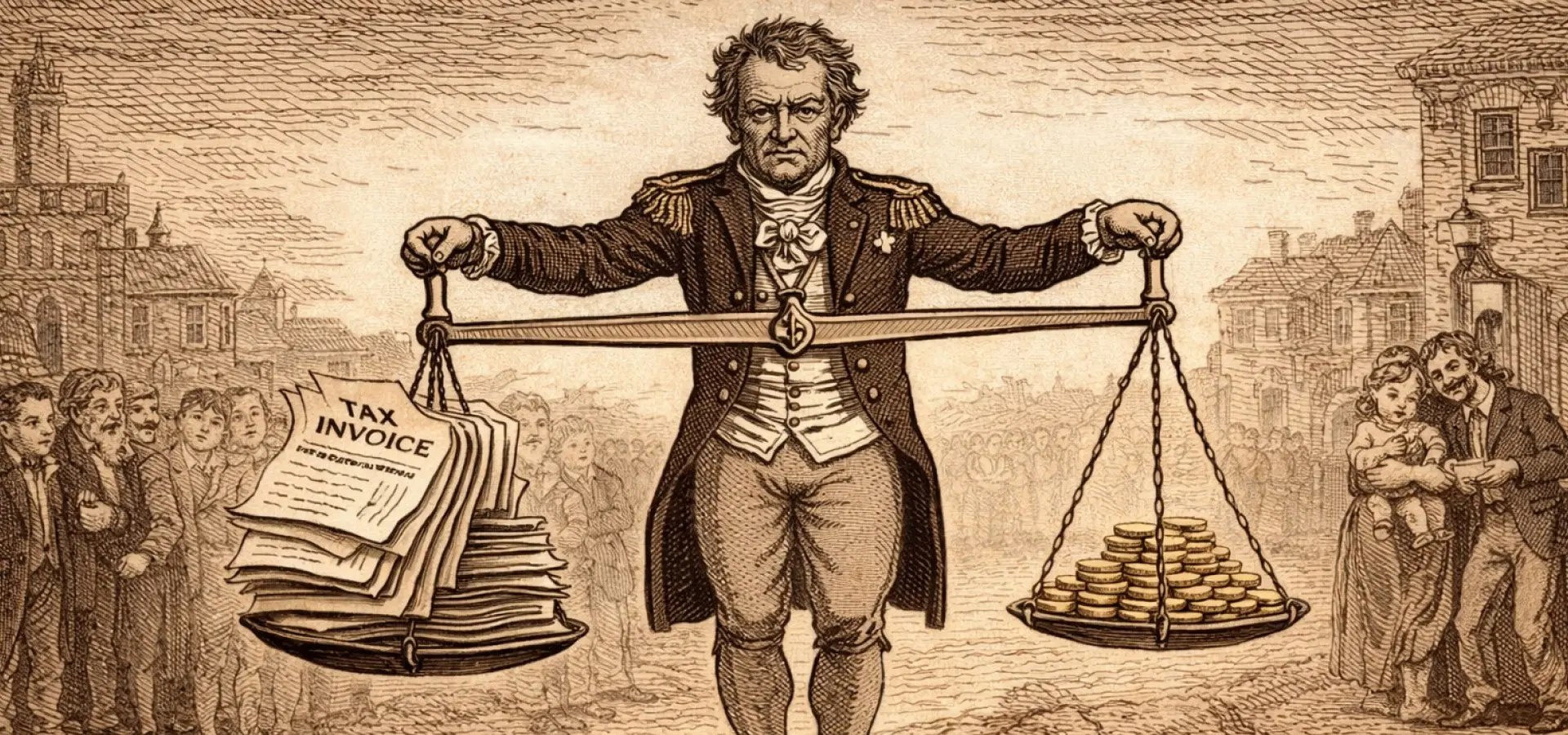
Cost adjustment on Mexican public works: when it applies and how it is calculated
In Mexico, cost adjustment applies when unforeseen economic circumstances alter the cost of work not yet executed. The three LOPSRM procedures and how to file.
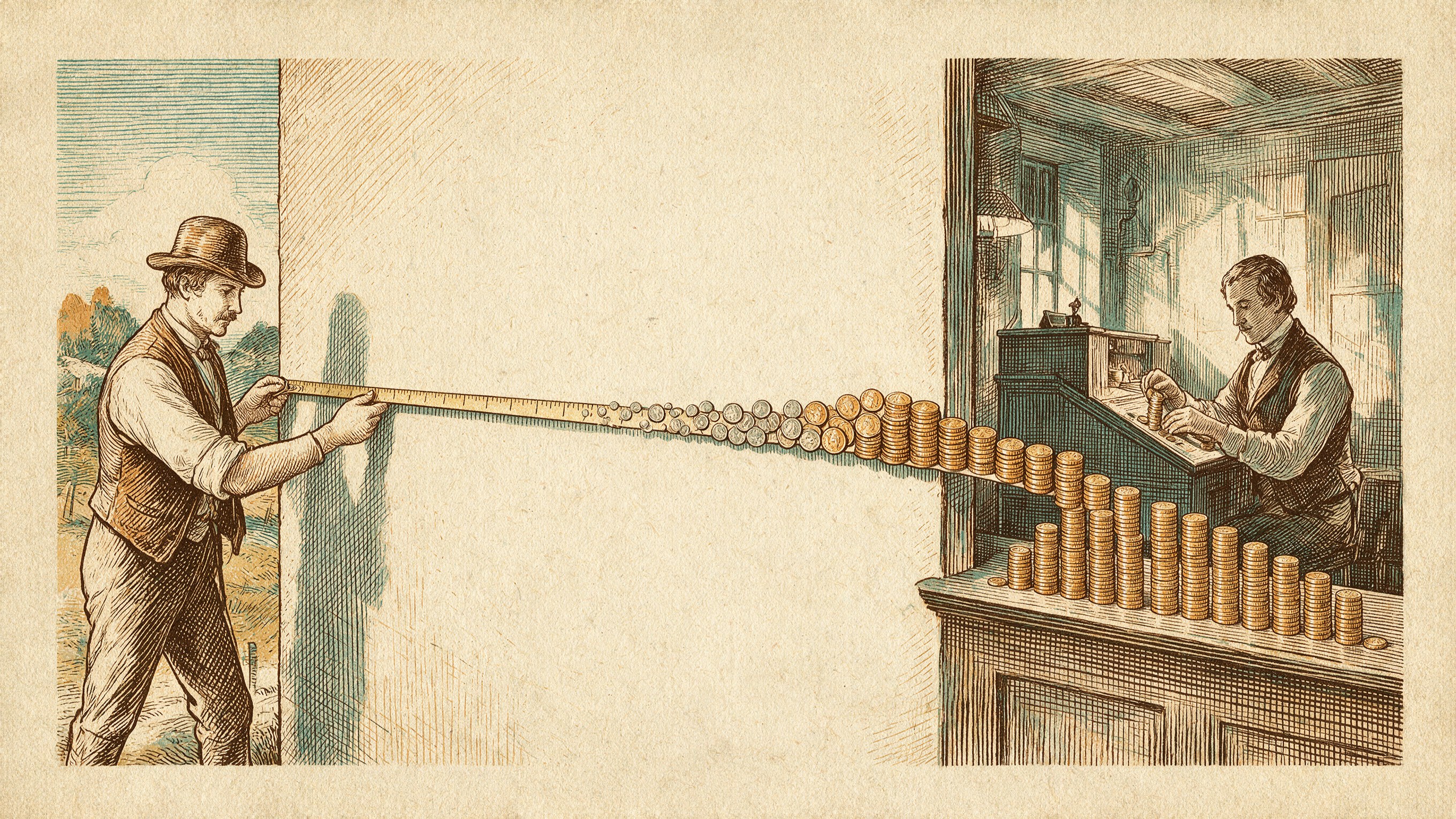
Measurement backup sheets: what they are and how to stop your claim being rejected
In Mexico the generador de obra proves how every quantity you bill was measured. What it must contain and why the supervisor sends it back.
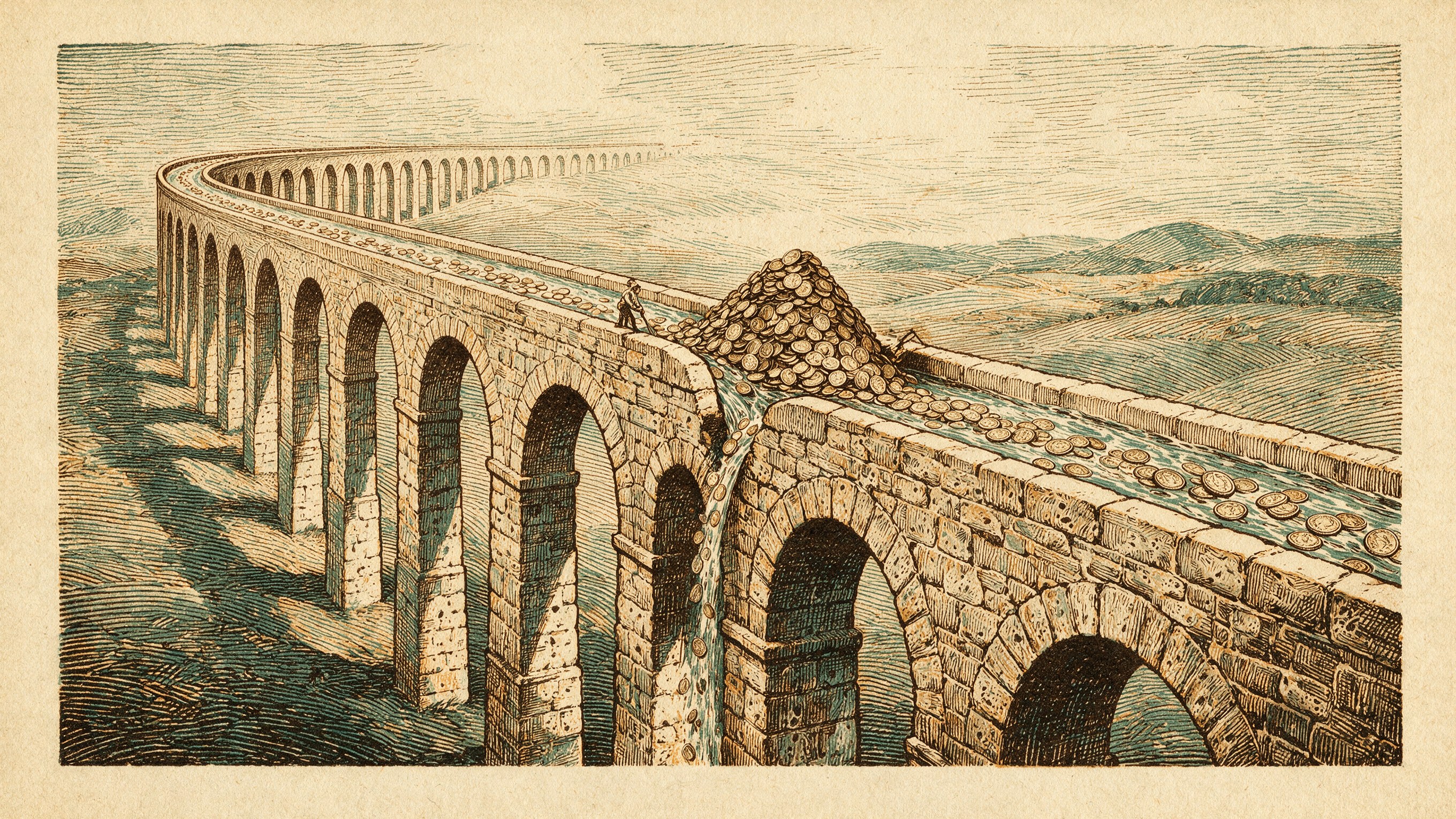
Why payment runs late on construction projects and how to shorten the cycle
Late payment on a construction project rarely starts with the client. Where the chain between doing the work and getting paid actually breaks, and how to shorten it.

Estimación, valorización, estado de pago, certificación: one concept, five names
Construction vocabulary changes in every country of the region. A dictionary of equivalences across Mexico, Peru, Chile, Colombia and Argentina, with the differences that are not just about the name.
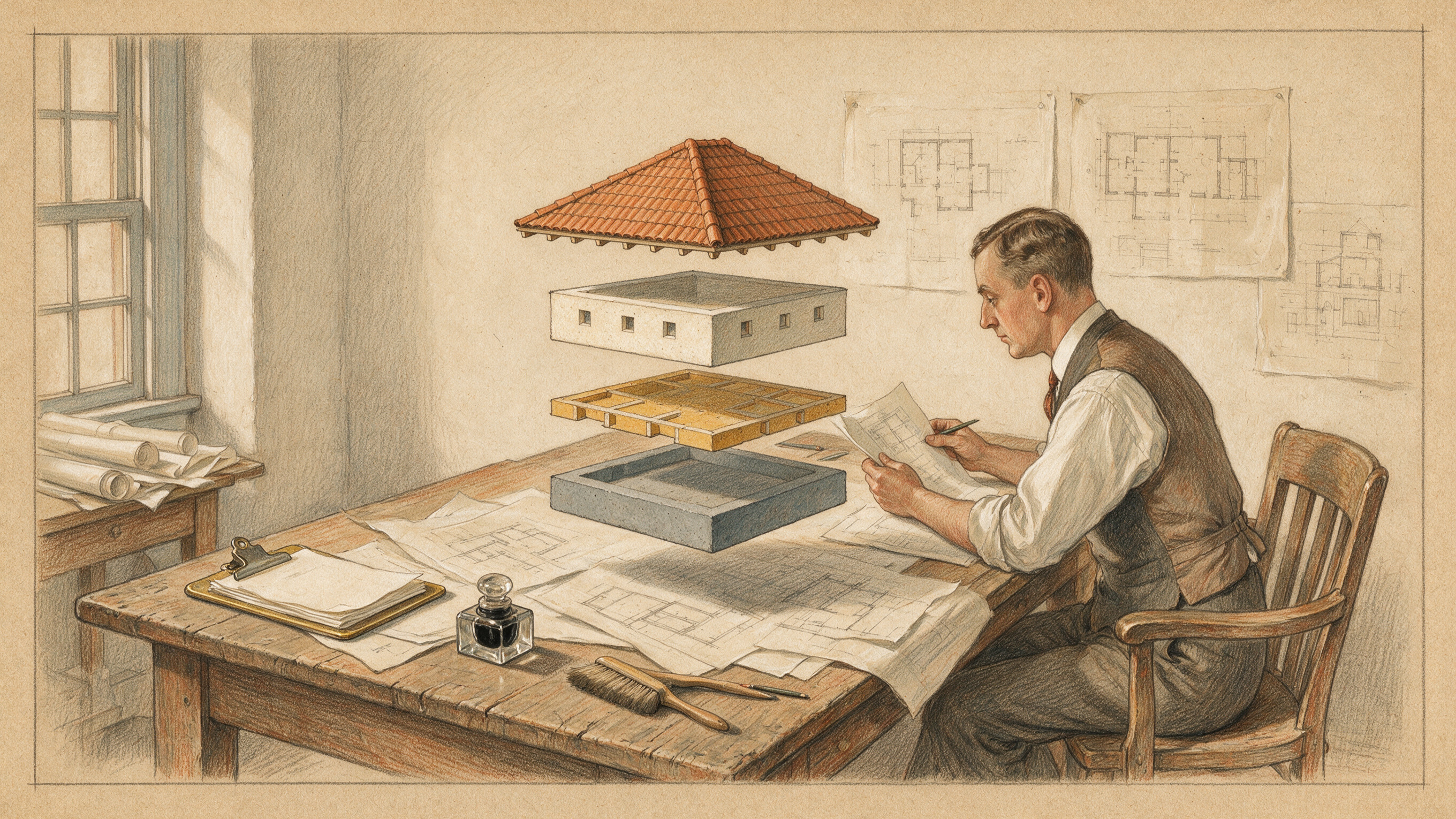
How to build a unit-price analysis step by step
A unit-price analysis breaks the price of a line item into materials, labour, equipment and overheads. How each component is built, with a full worked example.